

Compact Construction Equipment
RENTALS: Backhoe Loaders
Construction Equipment
RENTALS: Backhoe Loaders
Available Backhoe Loader Models:
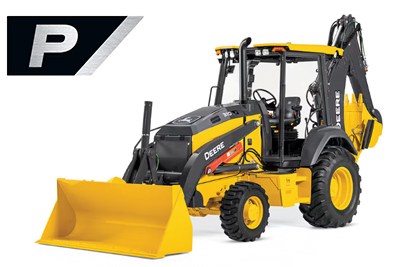
Power: 100 hp
Standard dig depth: 14 ft. 8 in.
Operating weight: 16,217 lbs.
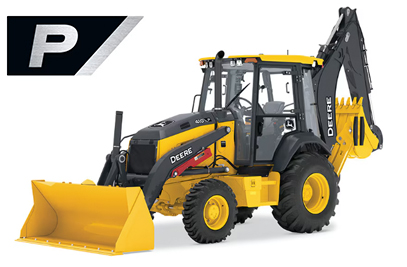
Power: 116 hp
Standard dig depth: 15 ft. 11 in.
Operating weight: 18,651 lbs.
Rental Rates:
| Models | Day | Week | 4 Week Rate |
| 310P | $500 | $1,300 | $3,200 |
| 410P | $525 | $1,400 | $3,500 |
Daily Rate = Includes up to 8 hours of usage within a 24 hour period. Weekly Rate = Includes up to 40 hours of use within 7 consecutive days.
4-Week Rate (28 Days) = Includes up to 160 hours of use within 28 consecutive days. Note: The 4-Week Rate is based on a 28-Day billing cycle, not a calendar month. This results in 13 billing periods a year.
Specs comparison:
| Specification | 310 P-Tier | 410 P-Tier |
| Net Horsepower | 100 hp | 116 hp |
| Operating Weight | 16,217 lb | 18,651 lb |
| Max Dig Depth | 13 ft 8 in | 15 ft 11 in |
| Length (transport) | 24 ft 6 in | 24 ft 10 in |
| Width (over tires) | 7 ft 3 in | 7 ft 8 in |
| Height (transport) | 11 ft 5 in | 12 ft 10 in |
| Wheelbase | 7 ft 2 in | 7 ft 2 in |
| Loader Bucket Capacity | 1.0 yd | 1.5 yd |
| Hydraulic System | Open-center | PCLS (load-sensing) |
| Typical Class | Standard duty | Heavy duty |
Frequently asked questions:
What are backhoe loaders used for?
- Trenching for utilities (water, sewer, electrical)
- Digging foundations and footings
- Loading and moving materials
- Roadwork and municipal projects
- Snow removal and property maintenance
What are the advantages of a backhoe loader?
- Versatility (two machines in one)
- Mobility (can travel on roads between jobs)
- No need for trailer in many cases
- Cost-effective for multi-task jobs
How do they compare to compact excavators?
Backhoe loader:
- More versatile (loader + digging)
- Faster travel speed
- Larger footprint
Compact excavator:
- Better for tight spaces
- More precise digging
- 360° rotation
How deep can they dig?
Approximate digging depths:
- 310 P-Tier: ~14–15 ft
- 410 P-Tier: ~17–18 ft
(With extendable dipper, depth increases further.)
What is an extendable dipper (Extendahoe)?
An extendable dipper stick allows the backhoe arm to extend farther, giving:
- Greater digging depth
- Increased reach
- More versatility without repositioning
What attachments are available?
Front (loader):
- General-purpose buckets
- Multi-purpose (4-in-1) buckets
- Pallet forks
- Snow pushers
Rear (backhoe):
- Buckets (various widths)
- Hydraulic thumbs
- Breakers (hammers)
- Augers
- Compactors
What is lift capacity?
Lift capacity varies by model:
- Loader lift: ~6,000–8,000+ lbs
- Backhoe lift: depends on reach and configuration
What is fuel consumption like?
Generally:
- ~3 to 5 gallons per hour
Varies with workload and transport use.
Are they comfortable to operate?
Yes—modern Deere backhoes offer:
- Enclosed cab with heat/AC
- Suspension seat
- Pilot or electrohydraulic controls
- Ride control for smoother transport
Do they require a trailer for transport?
Often no for local jobs:
- Can be driven on roads between sites
- For long distances, trailering is recommended
Are they good for snow removal?
Yes—especially with:
- Front bucket or snow pusher
- Good road mobility between sites
How stable are they when digging?
Very stable when:
- Stabilizers (outriggers) are deployed
- Machine is properly positioned
Stability is a key advantage over smaller equipment.
What maintenance is required?
- Daily: fluid checks, tire inspection
- Regular: oil, filters, hydraulic system
- Inspect pins, bushings, and stabilizers
What industries use backhoe loaders most?
- Construction
- Utilities
- Municipal/public works
- Agriculture
- Property maintenance
When is a backhoe a better choice than other equipment?
A backhoe loader is ideal when you need:
- Both digging and loading in one machine
- Mobility between multiple nearby jobs
- A cost-effective, all-purpose solution
Request Rental: