

Construction Equipment
RENTALS: Crawler Dozers
Construction Equipment
RENTALS: Crawler Dozers
Available Crawler Dozer Models:
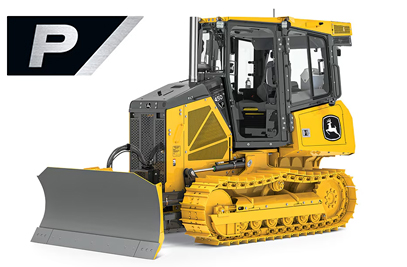
Power: 71 hp
Operating wt: 17,816–19,035 lbs.
Track on ground: 96 in.
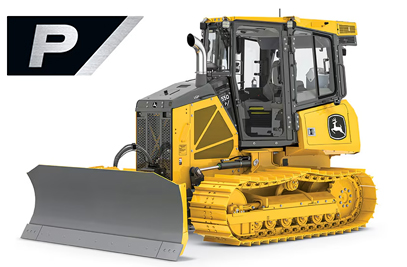
Power: 92 hp
Operating wt: 21,165–22,484 lbs.
Track on ground: 92 in.
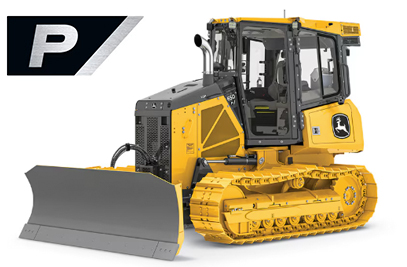
Power: 104 hp
Operating wt: 11,000 lbs.
Bucket Width: 84’
Rental Rates:
| Models | Day | Week | 4 Week Rate |
| 450P | $650 | $2,000 | $5,500 |
| 550P | $750 | $2,300 | $6,200 |
| 650P | $775 | $2,350 | $7,000 |
Daily Rate = Includes up to 8 hours of usage within a 24 hour period. Weekly Rate = Includes up to 40 hours of use within 7 consecutive days.
4-Week Rate (28 Days) = Includes up to 160 hours of use within 28 consecutive days. Note: The 4-Week Rate is based on a 28-Day billing cycle, not a calendar month. This results in 13 billing periods a year.
Specs comparison:
| Specification | 450 P-Tier | 550 P-Tier | 650 P-Tier |
| Net Horsepower | 71 hp | 92 hp | 104 hp |
| Operating Weight | 17,816–19,035 lb | 18,853–20,115 lb | 21,165–22,484 lb |
| Track on Ground | 96 in | 96 in | 92–103 in |
| Overall Length (PAT blade) | 13 ft 2 in | 13 ft 2 in | 14 ft 1 in |
| Blade Width | 8 ft 2 in | 8 ft 9 in | 9 ft 3 in |
| Height (to top of cab) | 9 ft 2 in | 9 ft 6 in | 9 ft 10 in |
| Track Gauge | 5 ft 0 in | 5 ft 1 in | 5 ft 6 in |
| Ground Clearance | 13.6 in | 13.6 in | 14.3 in |
| Blade Capacity | 2.1 yd | 2.4 yd | 2.9 yd |
| Travel Speed (max) | 5.0 mph | 5.0 mph | 5.5 mph |
| Class | Small / finish grading | Mid-small | Largest small-frame |
Frequently asked questions:
What are crawler dozers used for?
- Site preparation and land clearing
- Grading and leveling
- Road building
- Pushing and spreading material
- Backfilling
What types of blades are available?
- S-Blade (Straight): best for fine grading
- U-Blade (Universal): large capacity for pushing material
- PAT Blade (Power-Angle-Tilt): most versatile, adjustable for grading and shaping
Most Deere models use PAT blades.
What is operating weight?
Approximate weights:
- 450 P-Tier: ~18,000 lbs
- 550 P-Tier: ~20,000 lbs
- 650 P-Tier: ~22,000–23,000 lbs
How much horsepower do they have?
- 450 P-Tier: ~80–90 HP
- 550 P-Tier: ~90–100 HP
- 650 P-Tier: ~100–110 HP
What is the difference between LGP and standard models?
- Standard (LT): general-purpose use
- LGP (Low Ground Pressure):
- Wider tracks
- Better flotation in soft or wet ground
- Ideal for mud, sand, and wetlands
What is a six-way (PAT) blade?
A Power-Angle-Tilt (PAT) blade can:
- Move up/down
- Angle left/right
- Tilt side-to-side
This makes it extremely versatile for grading and shaping terrain.
What is grade control?
Modern Deere dozers can include grade control systems like:
- Slope control (basic grading assistance)
- SmartGrade™ (integrated GPS grade control)
These improve accuracy and reduce rework.
Are they good for fine grading?
Yes—especially models with:
- PAT blades
- Grade control systems
- Hydrostatic transmissions for smooth control
How much fuel do they use?
Generally:
- ~3 to 6 gallons per hour
Depends on workload and conditions.
How long do undercarriage components last?
Undercarriage life varies widely:
- 2,000–5,000+ hours, depending on:
- Soil conditions
- Maintenance
- Operating technique
Undercarriage is one of the biggest ownership costs.
What maintenance is required?
- Daily: inspect tracks, fluids, blade
- Regular: oil and filter changes
- Ongoing: monitor undercarriage wear (rollers, sprockets, track chains)
Are they comfortable to operate?
Yes—modern Deere dozers offer:
- Enclosed cab with heat/AC
- Air suspension seat
- Joystick controls
- Excellent visibility
Can they work on slopes?
Yes—crawler dozers are very stable on slopes due to:
- Low center of gravity
- Wide track base
Are they good for clearing trees and brush?
Yes—especially when equipped with:
- Root rakes
- Brush guards
- Forestry packages
What industries use crawler dozers most?
- Construction and site development
- Road building
- Mining and quarry work
- Forestry and land clearing
- Agriculture
When is a dozer the best choice?
A crawler dozer is ideal when you need:
- Heavy pushing power
- Precise grading over large areas
- Work in rough, muddy, or uneven terrain
Request Rental: