

Construction Equipment
RENTALS: Excavators
Construction Equipment
RENTALS: Excavators
Available Excavator Models:
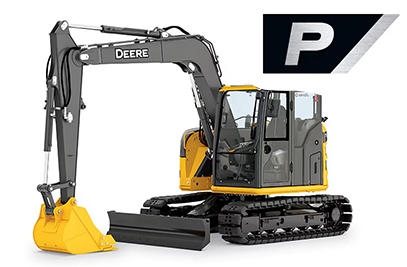
Power: 67.6 hp
Max dig depth: 15 ft. 3 in.
Operating weight:
18,559-19,326 lbs.
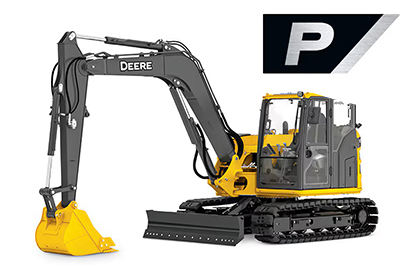
Power: 67.6 hp
Max dig depth: 14 ft. 10 in.
Operating weight:
19,238-20,296 lbs.
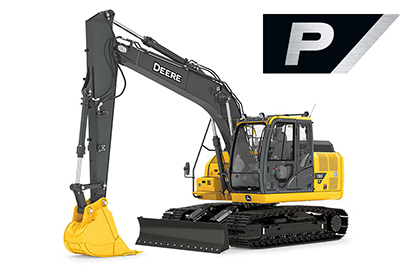
Power: 98 hp
Max dig depth: 19 ft. 9 in.
Operating weight:
29,531 lbs.
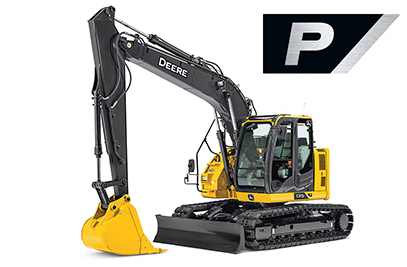
Power: 101 hp
Max dig depth: 20 ft. 0 in.
Operating weight:
31,526-33,951 lbs.
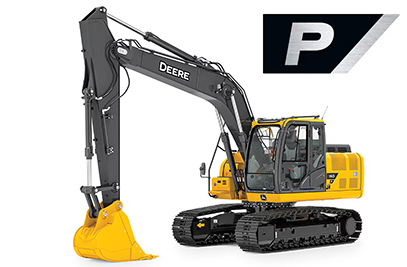
Power: 122 hp
Max dig depth: 21 ft. 4 in.
Operating weight:
39,526 lbs.
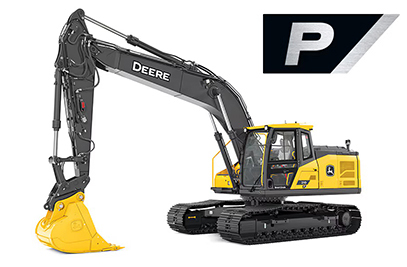
Power: 159 hp
Max dig depth: 21 ft. 11 in.
Operating weight:
51,940 lbs.
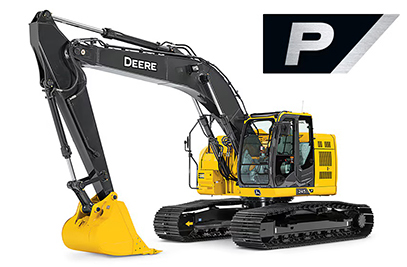
Power: 159 hp
Max dig depth: 21 ft. 8 in.
Operating weight:
56,879 lbs.
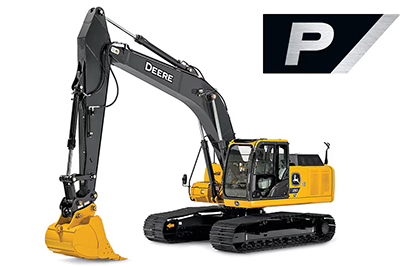
Power: 188 hp
Max dig depth: 25 ft. 0 in.
Operating weight:
60,600 lbs.
Compatible attachments:
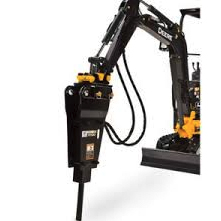 Hydraulic Breaker Hydraulic Breaker |
Rental Rates:
| Models | Day | Week | 4 Week Rate |
| 75P | $675 | $1,900 | $4,500 |
| 85P | $750 | $2,200 | $5,500 |
| 130P | $900 | $2,450 | $6,000 |
| 135P | $975 | $2,550 | $6,500 |
| 160P | $1,100 | $2,900 | $7,600 |
| 210P | $1,250 | $3,300 | $8,500 |
| 250P | $1,350 | $3,300 | $9,800 |
Daily Rate = Includes up to 8 hours of usage within a 24 hour period.
Weekly Rate = Includes up to 40 hours of use within 7 consecutive days.
4-Week Rate (28 Days) = Includes up to 160 hours of use within 28 consecutive days. Note: The 4-Week Rate is based on a 28-Day billing cycle, not a calendar month. This results in 13 billing periods a year.
Request Rental:
Specs comparison:
| Specification | 75 P-Tier | 85 P-Tier | 130 P-Tier | 135 P-Tier | 160 P-Tier | 210 P-Tier | 245 P-Tier | 250 P-Tier |
| Net HP | 67 hp | 67 hp | 73 hp | 101 hp | 121 hp | 164 hp | 159 hp | 188 hp |
| Operating Weight | 18,500–19,300 lb | 19,200–20,300 lb | 28,660 lb | 31,500–33,900 lb | 39,600 lb | 51,900 lb | 58,400 lb | 60,600 lb |
| Max Dig Depth | 15 ft 3 in | 14 ft 10 in | 18 ft 1 in | 20 ft 0 in | 21 ft 5 in | 22 ft 0 in | 24 ft 6 in | 25 ft 0 in |
| Transport Length | 20 ft 9 in | 21 ft 0 in | 24 ft 3 in | 25 ft 1 in | 28 ft 2 in | 31 ft 1 in | 34 ft 2 in | 34 ft 6 in |
| Width | 8 ft 1 in | 8 ft 3 in | 8 ft 6 in | 8 ft 6 in | 9 ft 2 in | 10 ft 0 in | 10 ft 6 in | 10 ft 6 in |
| Height (to cab) | 8 ft 11 in | 9 ft 0 in | 9 ft 4 in | 9 ft 4 in | 10 ft 0 in | 10 ft 4 in | 10 ft 6 in | 10 ft 6 in |
| Tail Swing | Reduced | Reduced | Reduced | Reduced | Conventional | Conventional | Conventional | Conventional |
| Typical Class | 8-ton | 8.5-ton | 13-ton | 13.5-ton | 16-ton | 21-ton | 24–25 ton | 25–27 ton |
Frequently asked questions:
What are mid-size excavators used for?
- Mass excavation and site prep
- Utility trenching (water, sewer, storm)
- Road and highway construction
- Foundation and structural work
- Demolition and material handling
What attachments can be used?
- Buckets (digging, trenching, ditching)
- Hydraulic thumbs
- Breakers (hammers)
- Grapples
- Compactors
- Tiltrotators (on some setups)
What is auxiliary hydraulics?
Auxiliary hydraulics power attachments. Deere machines often include:
- Multiple hydraulic circuits
- Programmable flow settings
- High-flow capability (on larger models)
What is a long arm or long-reach option?
- Long arm: increases digging depth and reach
- Long-reach configuration: used for dredging, slope work, and specialized applications
What is grade control?
John Deere offers:
- 2D grade control (depth and slope guidance)
- SmartGrade™ (3D GPS) for precise grading without stakes
These improve accuracy and reduce rework.
How fast do they travel?
- Typically 3–4 mph
Excavators are designed for digging power, not speed.
What is fuel consumption like?
- ~4 to 8 gallons per hour
Varies by size and workload.
How long do tracks and undercarriage last?
- Typically 3,000–6,000+ hours, depending on:
- Soil conditions
- Maintenance
- Operating practices
What maintenance is required?
- Daily: check fluids, inspect tracks and attachments
- Regular: oil, filters, hydraulic system
- Ongoing: inspect pins, bushings, and undercarriage
Are they comfortable to operate?
Yes—modern Deere excavators include:
- Enclosed cab with heat/AC
- Air suspension seat
- Joystick controls (ISO pattern)
- Advanced digital display and controls
How are they transported?
- Require a lowboy or heavy equipment trailer
- Typically hauled with a Class 7–8 truck
Are they stable for heavy lifting?
Yes—especially when:
- Properly positioned
- Using correct counterweight configuration
- Following load charts
What industries use them most?
- Construction and site development
- Utilities and infrastructure
- Road and highway work
- Demolition
- Quarry and heavy material handling