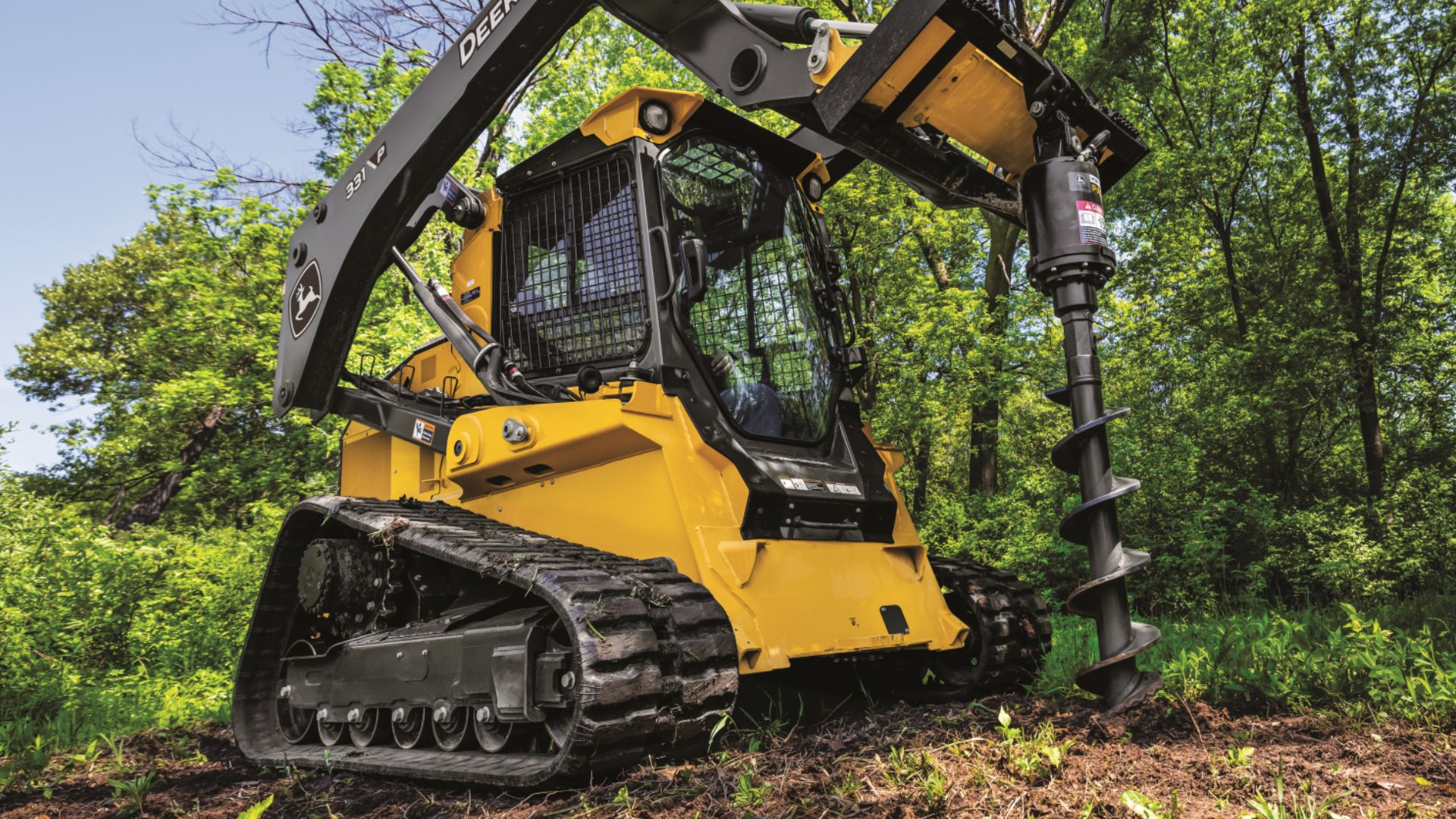

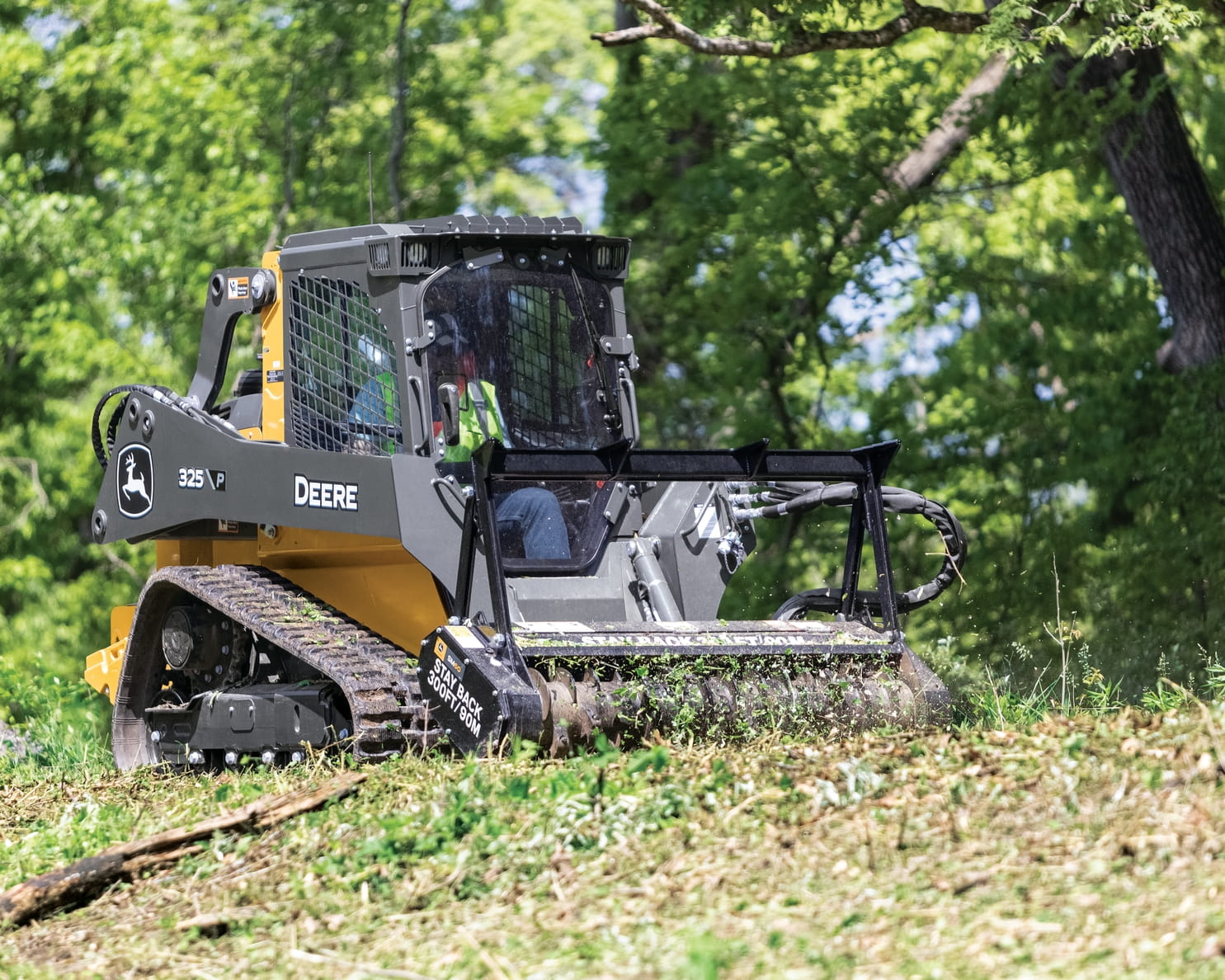
Renting a compact track loader for a summer grading project is one of the smartest moves a Northeast contractor can make to manage capacity without permanently expanding their fleet. But the contractors who get the most out of rentals are the ones who show up prepared with the site conditions assessed, the attachment needs confirmed, and the rental period sized to the actual job.
The ones who don’t do that groundwork end up paying for machine time while they’re still figuring things out. Here’s what to line up before you call in the rental.
Find Your Local United Construction & Forestry
Assess the Site Before You Spec the Machine
Grading projects in the Northeast present a specific set of variables that directly affect which CTL configuration makes sense and what the rental will actually cost you in productive hours.
Soil Conditions
Summer grading in the Northeast frequently means dealing with clay-heavy soils that can be rock-hard in a dry July or saturated and soft after a week of rain. Know what you’re working with before you select the machine. A compact track loader in wet clay with standard tracks will struggle where a wider track or different undercarriage configuration would perform cleanly. Matching the machine to the ground condition is a conversation worth having with your United Construction & Forestry rental team before you commit.
Site Access and Size
Compact track loaders vary in width, turning radius, and overall footprint. If your grading project involves working through a gate, along a fence line, or in a confined space, confirm the machine’s dimensions before pickup. Arriving with a machine that won’t fit the site costs you a half day and a delivery charge.
Grade Complexity and Material Volume
A simple leveling job and a complex finish grade with material import are different enough to change what you’re looking for. For significant material movement alongside grading, you may need a loader-optimized machine. For precision finish work, a machine with better visibility and control may matter more than raw capacity. Talk through the scope with an expert.
Contact Our Rental Specialists Now
Confirm Attachment Needs Before the Rental Period Starts
The loader is only the platform. The attachment is what does the real work. Having the wrong attachment adds time and frustration to a project that should run smoothly.
Grading Bucket
A standard bucket works for most basic grading, but a grading or cleanup bucket — wider, flatter profile — makes finish grading significantly more efficient. If you’re not bringing your own, confirm availability with United Construction & Forestry when you book the machine.
Grading Technology Compatibility
If your project requires laser-controlled grading, confirm that the rental unit is compatible with your grade control system before the machine shows up on site. This isn’t always a given, and it’s not the kind of thing you want to discover on day one.
Plate Compactor or Vibratory Roller Attachment
If compaction is part of the scope, adding a compatible attachment to the rental order upfront is more cost-effective than sourcing it separately mid-project. Discuss all of your equipment needs with United Construction & Forestry before you book.
Size the Rental Period Honestly
Rental pricing for compact track loaders is typically structured by day, week, or four-week period. The per-day cost drops significantly as the rental period extends — but paying for days you don’t use is money left on the table.
In Northeast summer contracting, weather delays, utility conflicts, and inspection waits are real. Build one to two days of buffer into your rental period calculation rather than booking tight and scrambling for an extension when conditions don’t cooperate.
If you’re managing multiple simultaneous projects, a weekly or four-week rental that floats the machine between sites can provide better overall value than booking short-term rentals for each job.
Have a Plan for Fuel, Access, and Site Logistics
These seem obvious, but they’re the details that eat time on rental jobs:
- Fuel: Confirm fuel type and ensure you have on-site fueling capability or a plan for refueling. Running a rental machine out of fuel mid-shift is an avoidable problem.
- Delivery and pickup logistics: Confirm site access for the delivery trailer, including overhead clearance, surface condition, and any permit requirements for oversize vehicles if applicable.
- Operator qualification: Ensure the operator running the machine has the appropriate experience for the scope of work. Rental equipment damage from operator error is the renter’s responsibility.
Contact United Construction & Forestry
Frequently Asked Questions
What size compact track loader do I need for a summer grading project?
For most Northeast residential and light commercial grading projects, a mid-size CTL in the 70–90 HP range with a rated operating capacity of 1,800–2,500 lbs handles the work efficiently. Larger commercial grading projects or significant material movement may warrant a larger machine. Contact United Construction & Forestry to discuss what fits your specific scope.
How far in advance should I book a compact track loader rental for summer grading?
Summer is peak demand for rental CTLs in the Northeast. Booking two to three weeks ahead during June, July, and August is advisable. Last-minute availability exists but can’t be counted on during the busiest weeks of the season.
What rental terms are available for compact track loaders?
Daily, weekly, and four-week rental options are available. Contact your nearest United Construction & Forestry location to check availability and pricing for your project timeline. Visit UnitedEquip.com to find your nearest location.