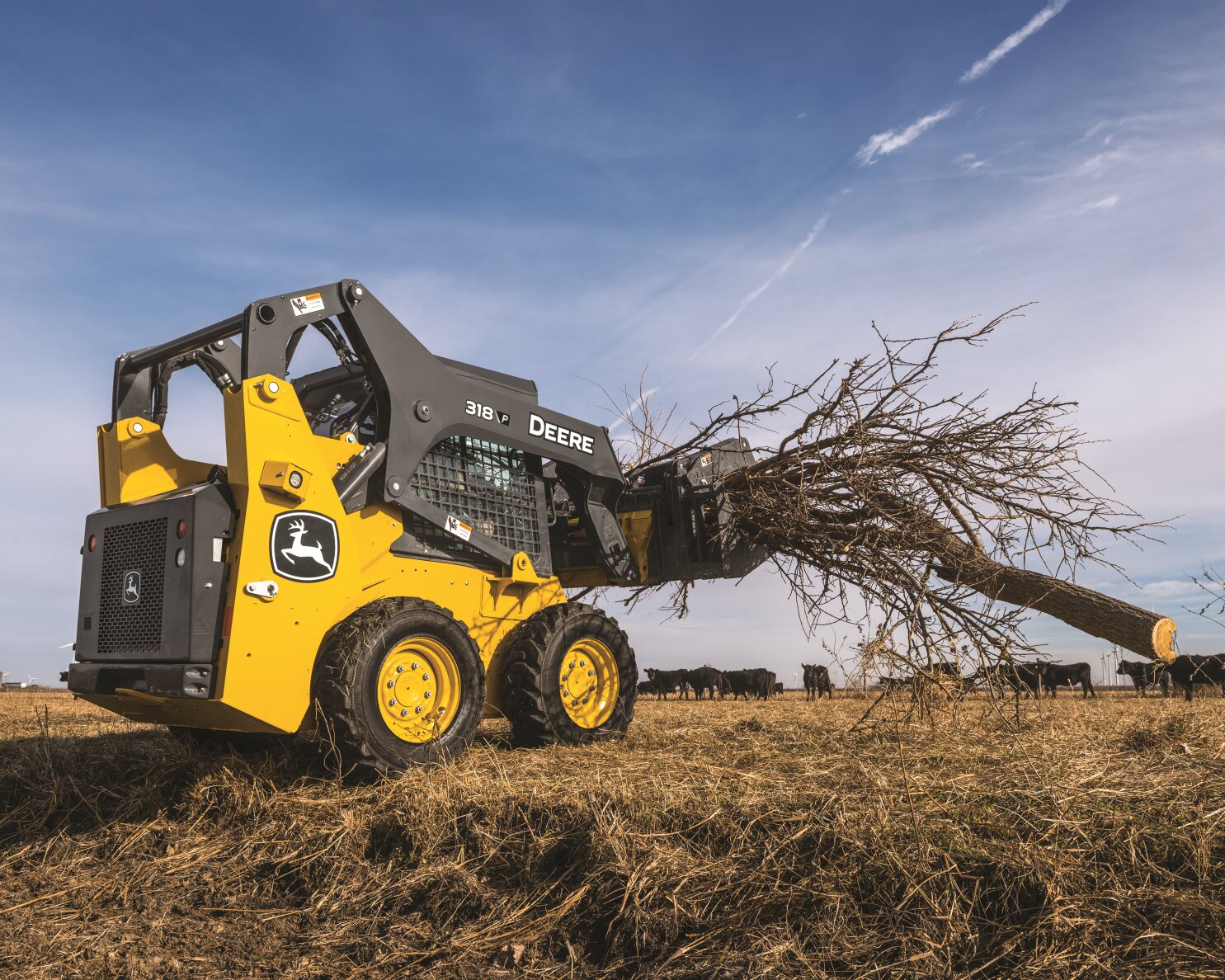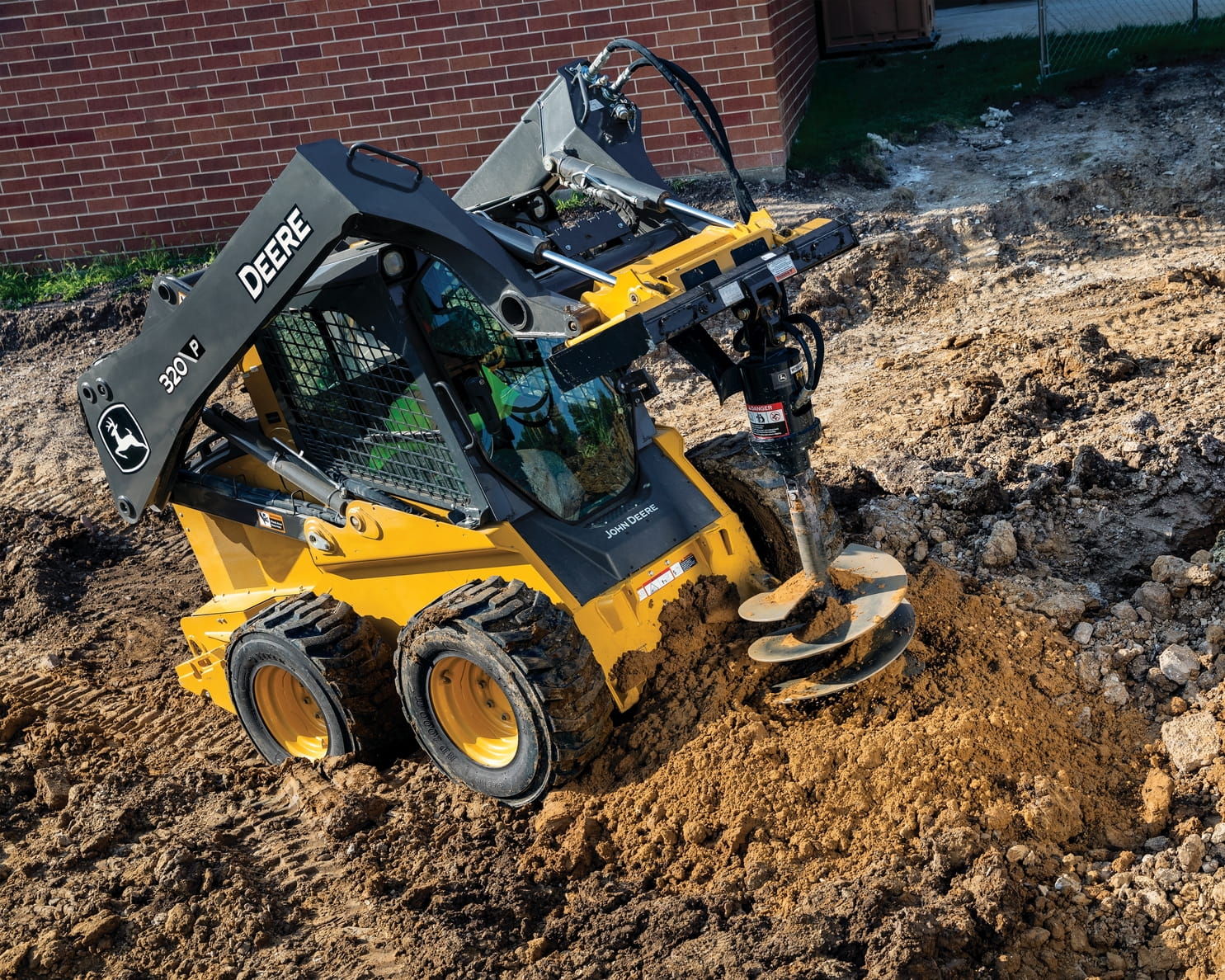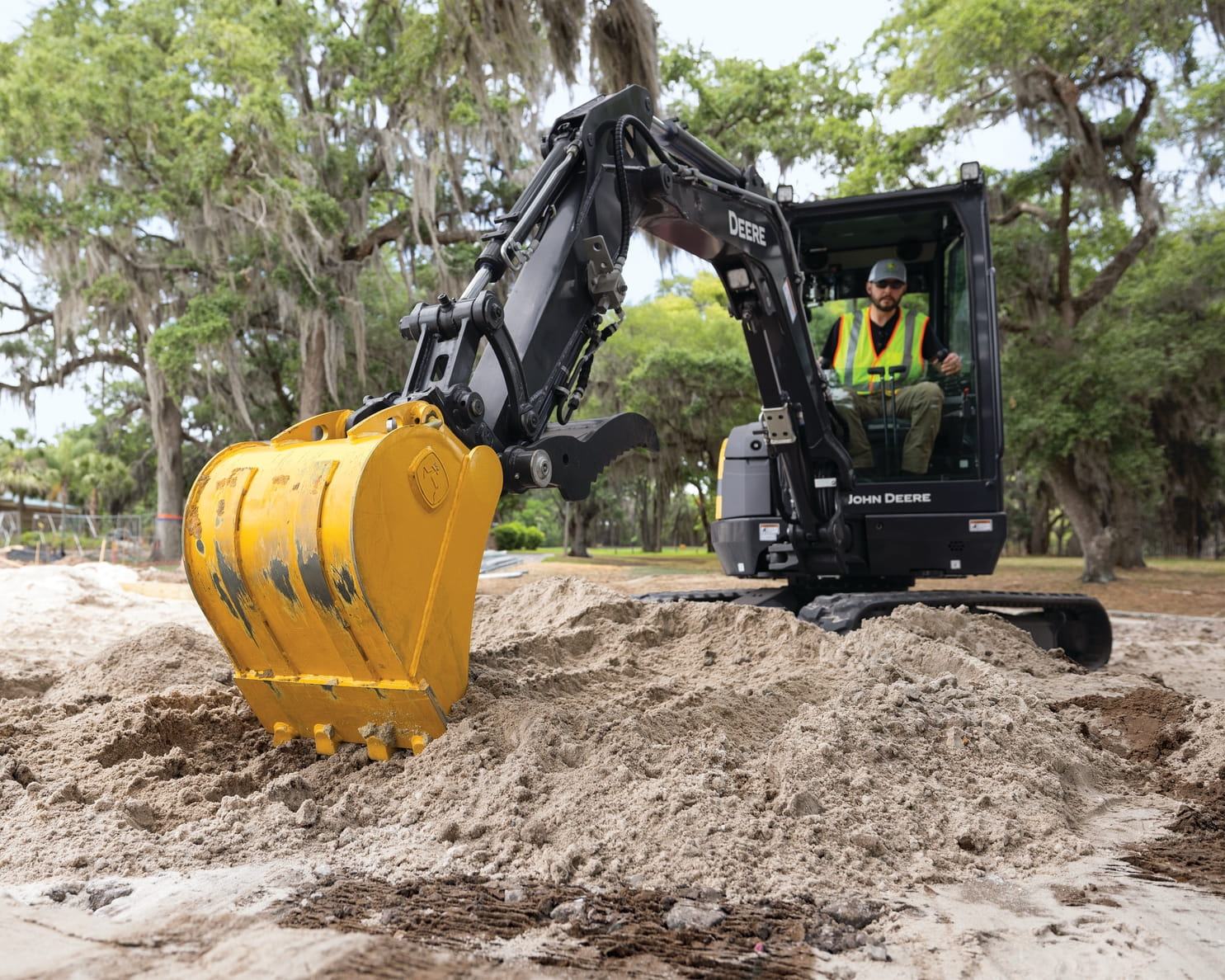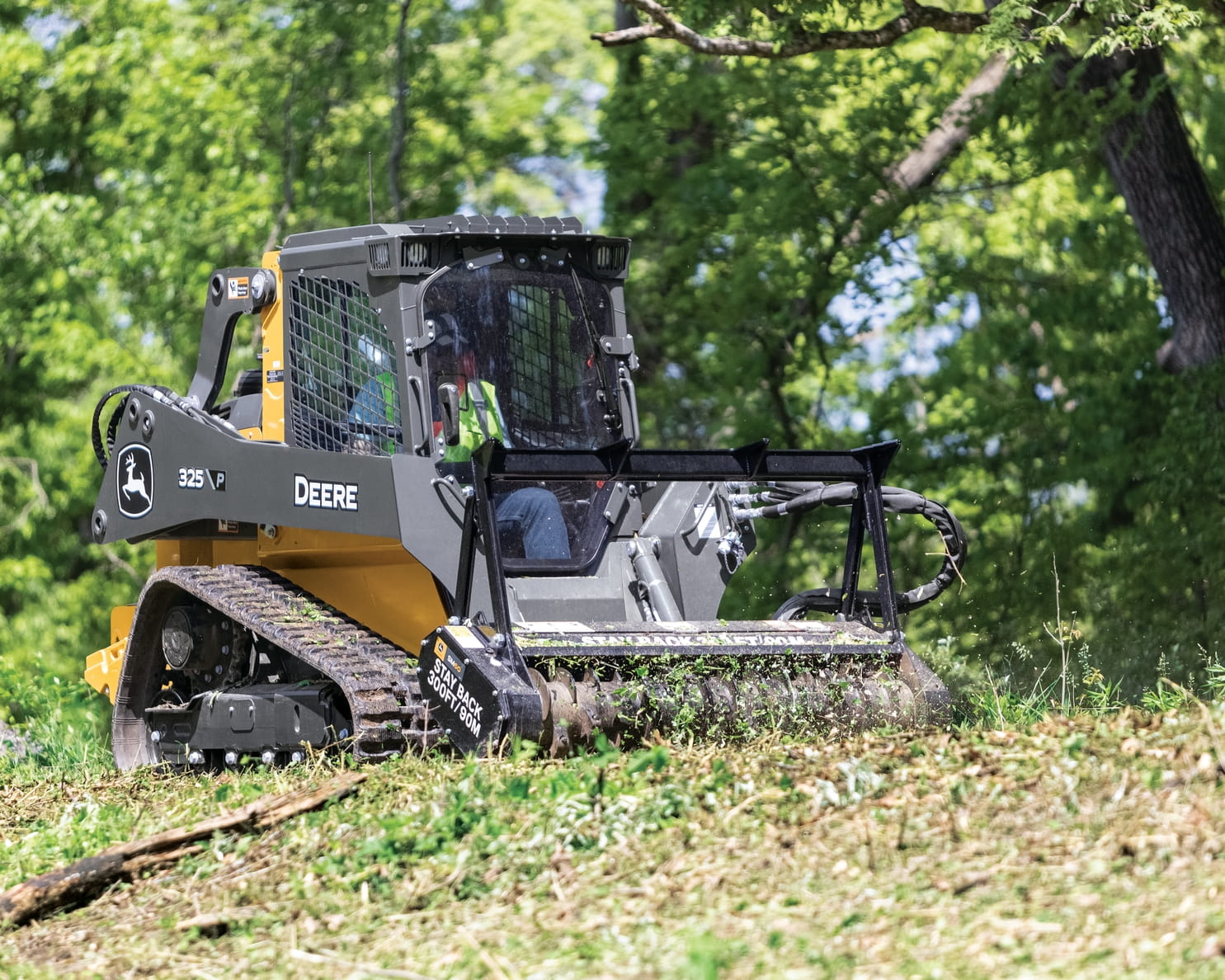

Summer is the season when Northeast landscaping and hardscape crews are running at full capacity with multiple jobs queued up, clients who have been waiting since spring, and a window that closes faster than anyone wants to admit. In that environment, equipment decisions don’t just affect one job. They affect the whole schedule.
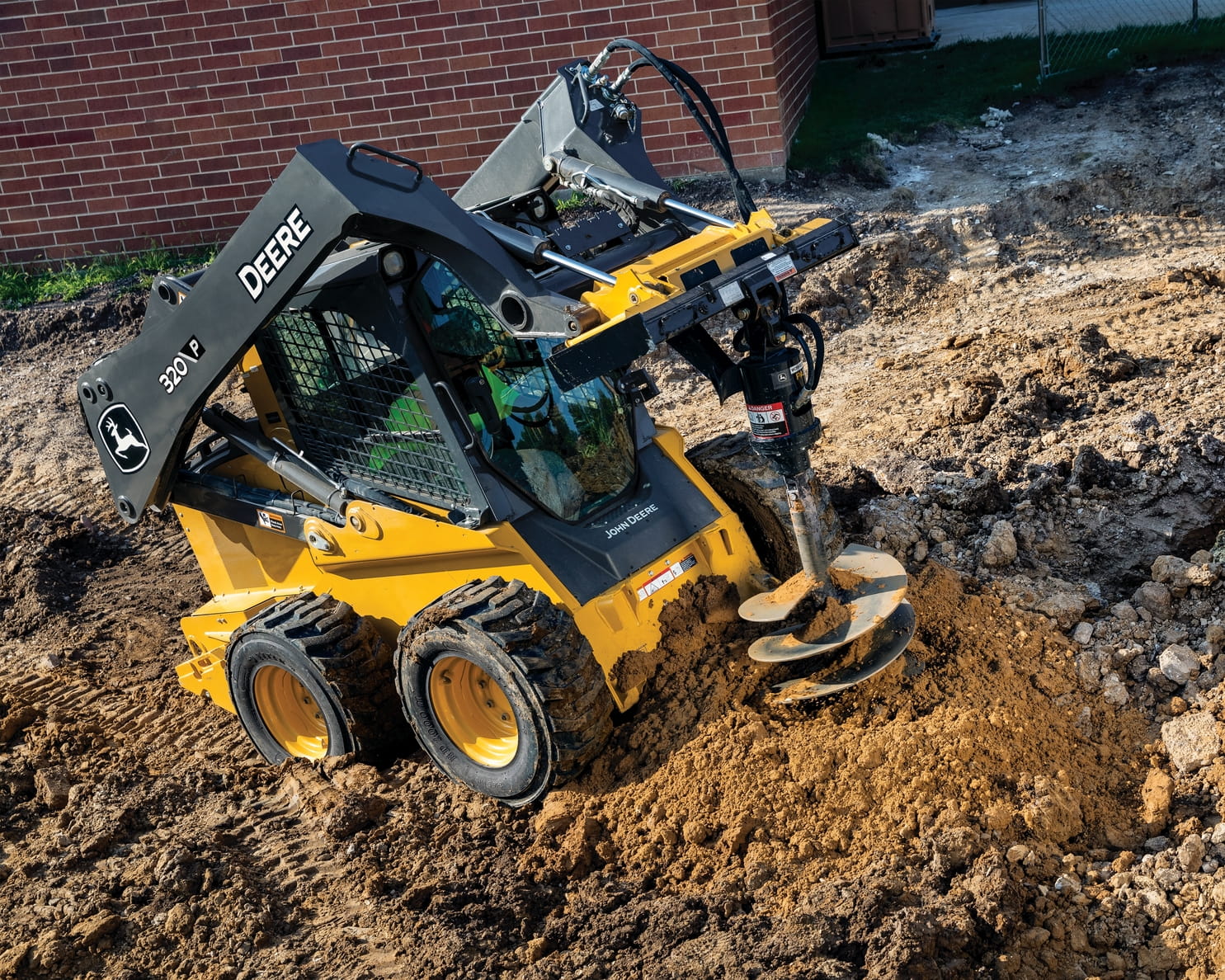
Skid steer rental gives crews the flexibility to match the right machine to each specific job rather than forcing every project through the same piece of owned equipment. Here’s how to make that work in practice.
Find Your Local United Construction & Forestry
Why One Skid Steer Doesn’t Fit Every Job
Experienced crew leaders already know this, but it’s worth restating: the skid steer that’s ideal on a large commercial property is not the same machine that belongs on a tight residential project. Running the wrong machine for the job creates problems like damaged surfaces, frustrated operators, wasted time, and sometimes real damage to finished work.
The main variables that determine which skid steer fits a given landscaping or hardscape job:
Operating Weight and Ground Pressure
Hardscape base installation often happens on ground that’s already partially prepared. A heavier skid steer with high ground pressure can undo prep work or damage adjacent finished areas. Knowing the operating weight of the rental unit before it arrives on site is basic due diligence.
Bucket Width and Capacity
For tight residential hardscape work, a narrower bucket gives better placement control. For bulk material handling on commercial landscaping jobs, capacity matters more than precision. Confirm what’s available and spec the rental accordingly.
Lift Path: Radial vs. Vertical
Radial lift skid steers are stronger at mid-range lift heights, making them good for loading trucks, moving material across the site, and most general landscaping tasks. Vertical lift machines are stronger at full height and better when you need to dump into a truck bed cleanly or work with taller staging areas. For most landscaping and hardscape work, radial lift is the more common choice, but knowing the difference helps when the job has specific demands.
Jobs Where Rental Skid Steers Earn Their Keep
Bulk Material Installation
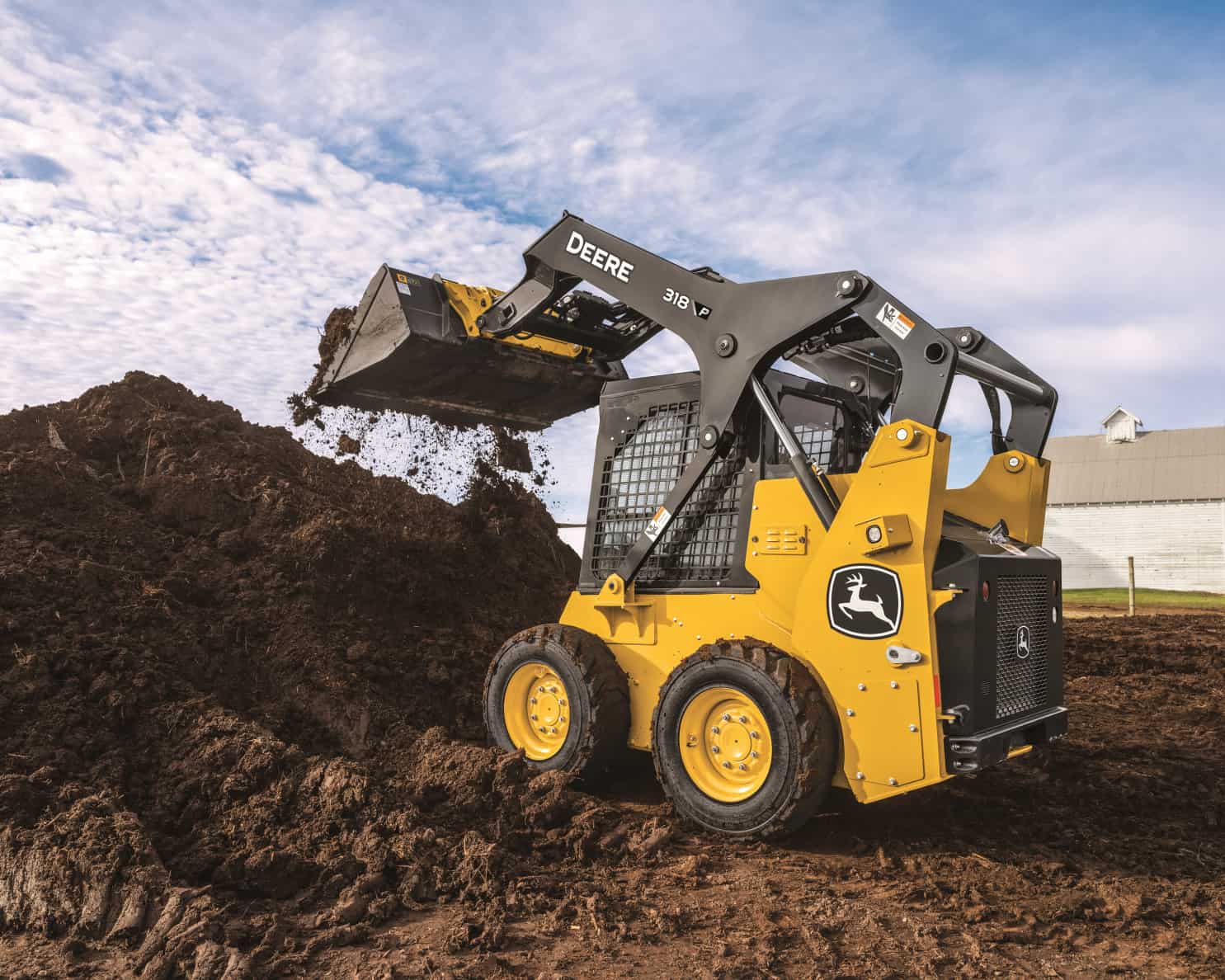
Mulch, topsoil, decorative stone, and base aggregate move faster with a skid steer than with any alternative. A rental unit dedicated to material placement on a large installation job keeps the crew productive without pulling owned equipment off another site.
Site Cleanup and Debris Removal
Post-construction cleanup, storm damage response, and end-of-project clearing involve material volumes that make hand work impractical. A rental skid steer converts a multi-day hand labor job into a half-day machine job. The math on rental cost versus crew time almost always favors the machine.
Hardscape Base Preparation
Excavating, grading, and compacting base material for patios, walkways, driveways, and retaining walls is where skid steer capability directly translates to hardscape quality. Proper base depth and compaction done efficiently is the foundation of work that holds up.
Sod Installation and Lawn Renovation
Large-scale sod jobs and lawn renovations involve stripping, grading, and material handling that a skid steer handles in a fraction of the time. For high-volume summer sod work, rental capacity is often the difference between staying on schedule and falling behind.
Budgeting Rental Into Landscape and Hardscape Jobs
The contractors who use rental most profitably are the ones who price it directly into the job rather than treating it as overhead. Rental cost is a known, controllable line item when you book in advance. It belongs in the estimate the same way materials and labor do.
Daily vs. weekly rental math for landscaping work: A job that realistically takes three days of skid steer time rarely costs less on daily rates than a weekly rental — and the weekly rate gives you a buffer for weather delays, inspection waits, or scope adjustments without scrambling for an extension. Price the weekly rate into the estimate and return the machine when the work is done.
For crews with multiple summer jobs queued, a longer-term rental that moves between sites keeps the machine earning across the season rather than paying for repeated mobilization.
Contact United Construction & Forestry
Frequently Asked Questions
What size skid steer is best for residential hardscape work?
For most residential hardscape projects, a compact to mid-size skid steer in the 1,600–2,200 lb rated operating capacity range balances capability with maneuverability on tight sites. Larger machines offer more capacity but can be harder to control in confined residential spaces and create more ground disturbance risk near finished work.
Should I rent a skid steer or a compact track loader for summer landscaping?
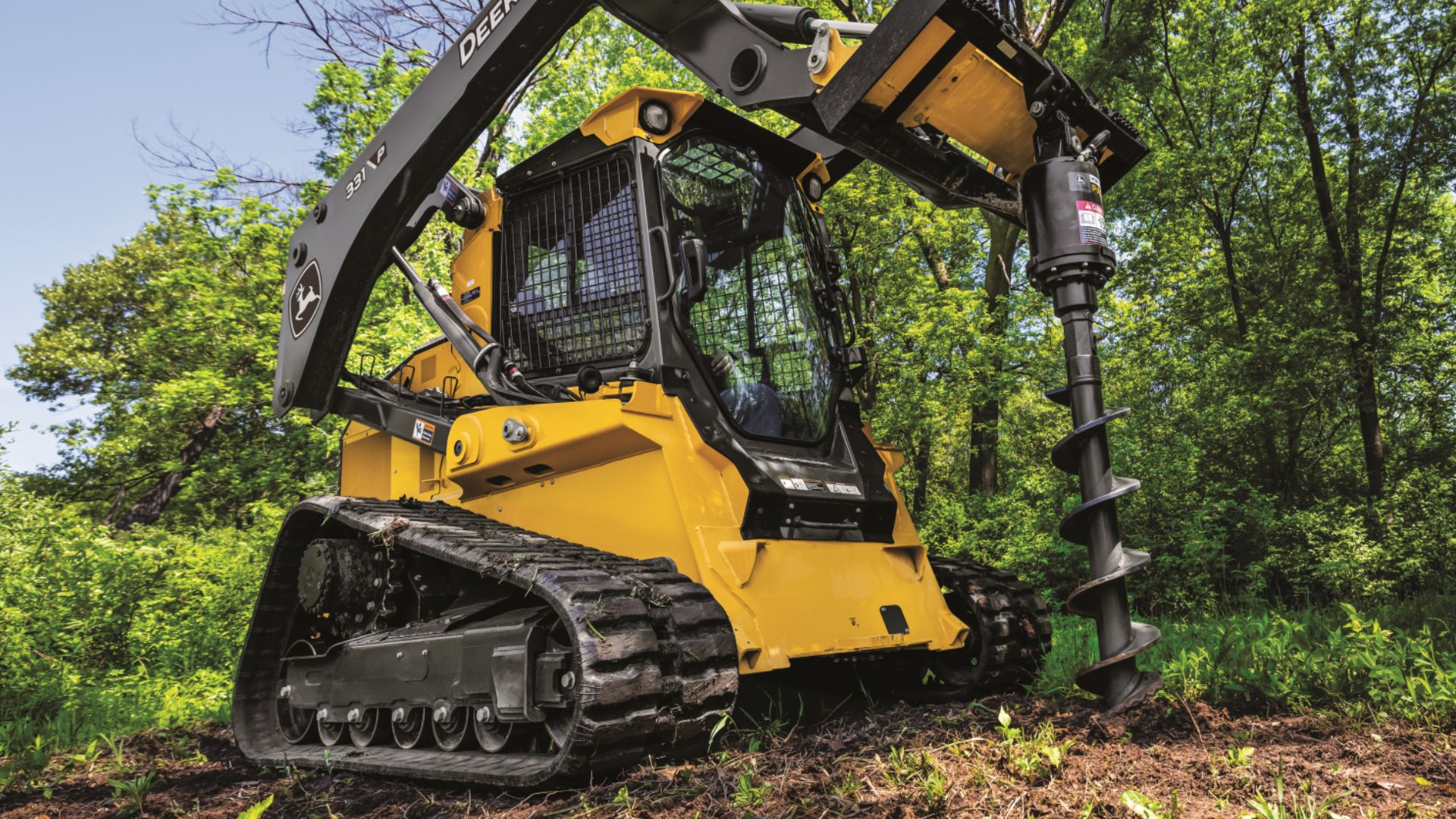
Skid steers are typically the right choice for hardscape work on prepared surfaces and confined urban or suburban sites. Compact track loaders offer better traction on soft or wet ground and reduce turf damage on natural surfaces. If your summer work involves both types of conditions, your United Construction & Forestry team can help you decide which platform makes more sense for the majority of your jobs.
How do I avoid surface damage when using a skid steer on a finished or partially finished site?
Use the lowest ground pressure machine appropriate for the job, minimize unnecessary turning on sensitive surfaces, and use track pads or protective mats on pavement or finished areas. Plan your machine path before you start to reduce repositioning on completed work.