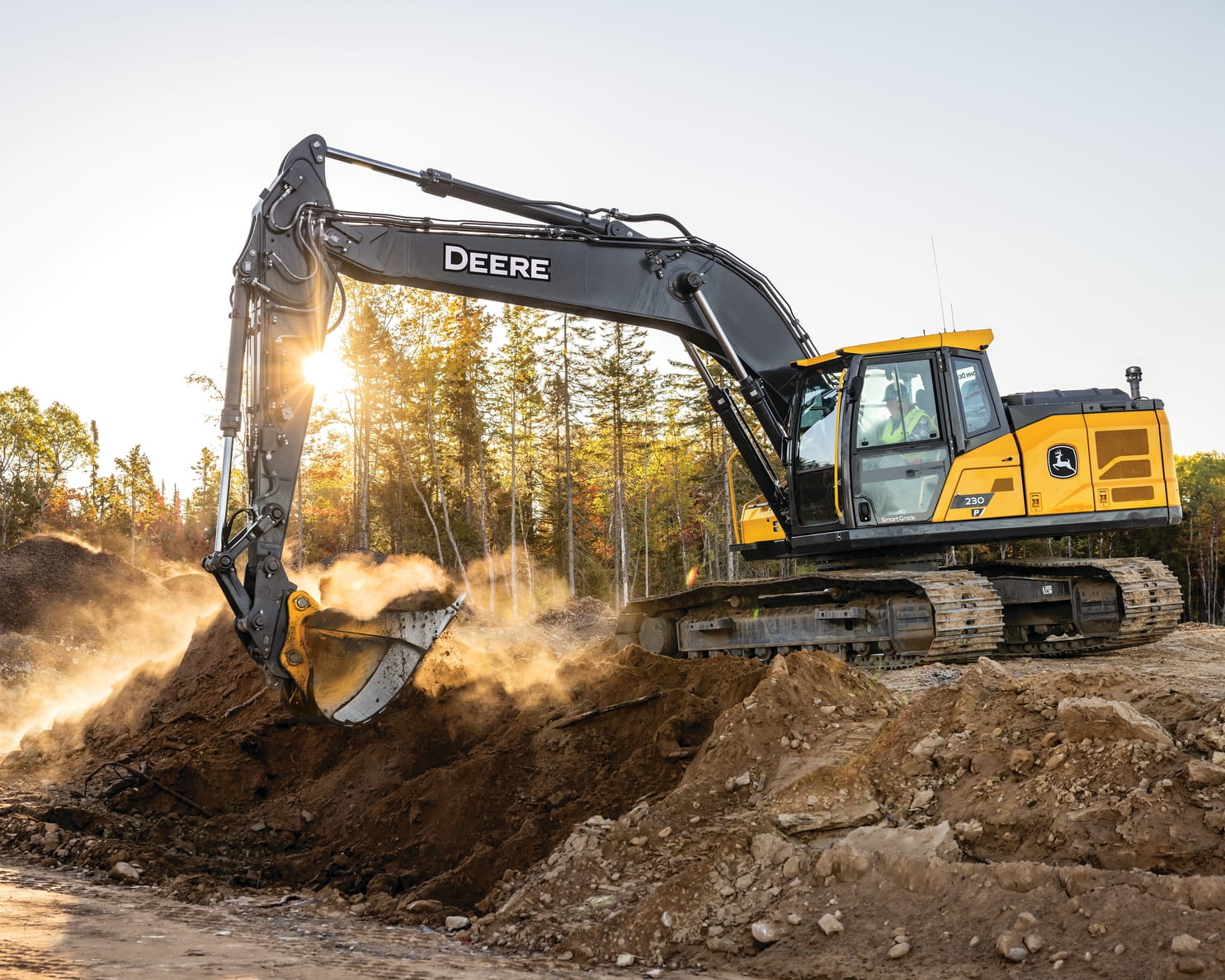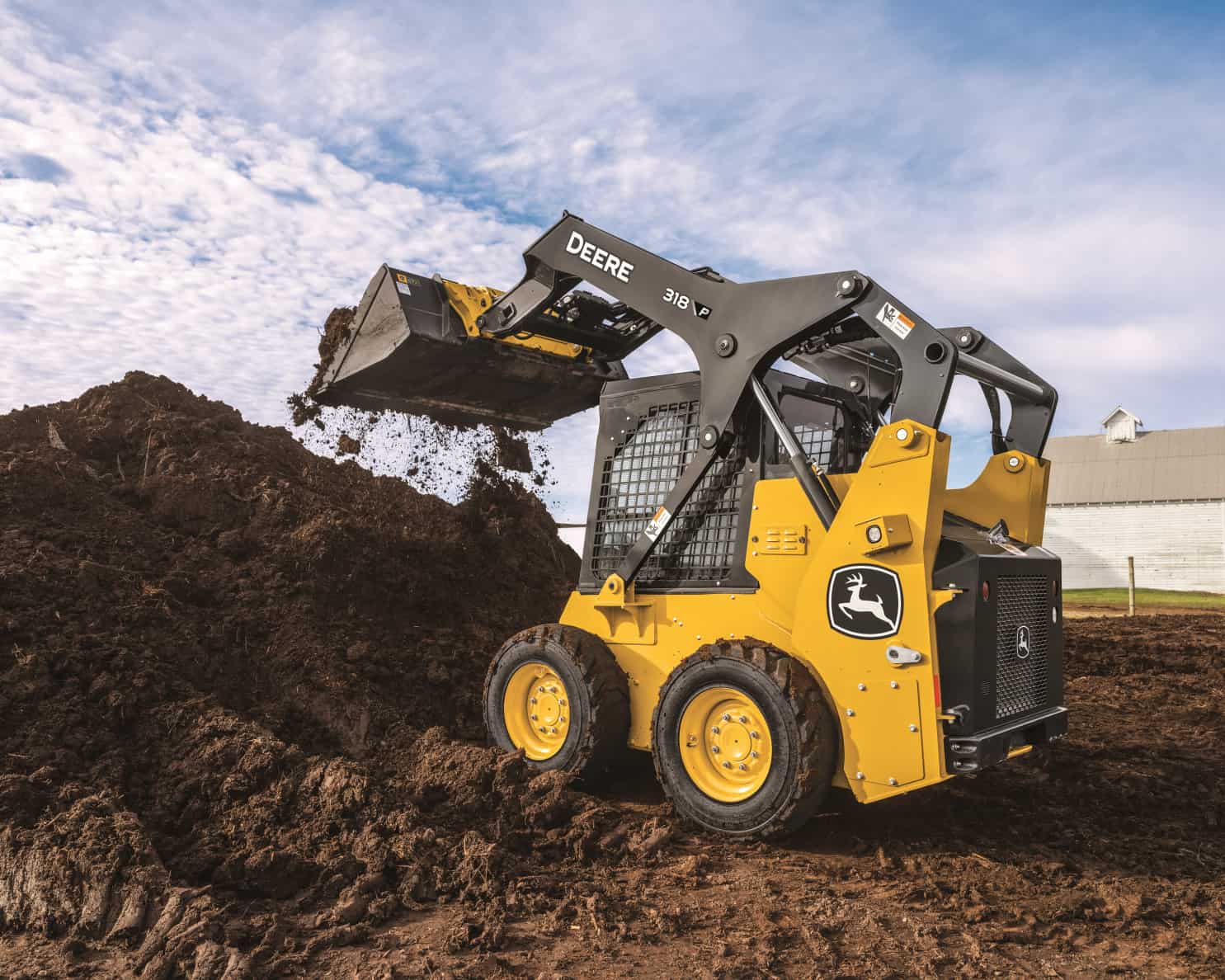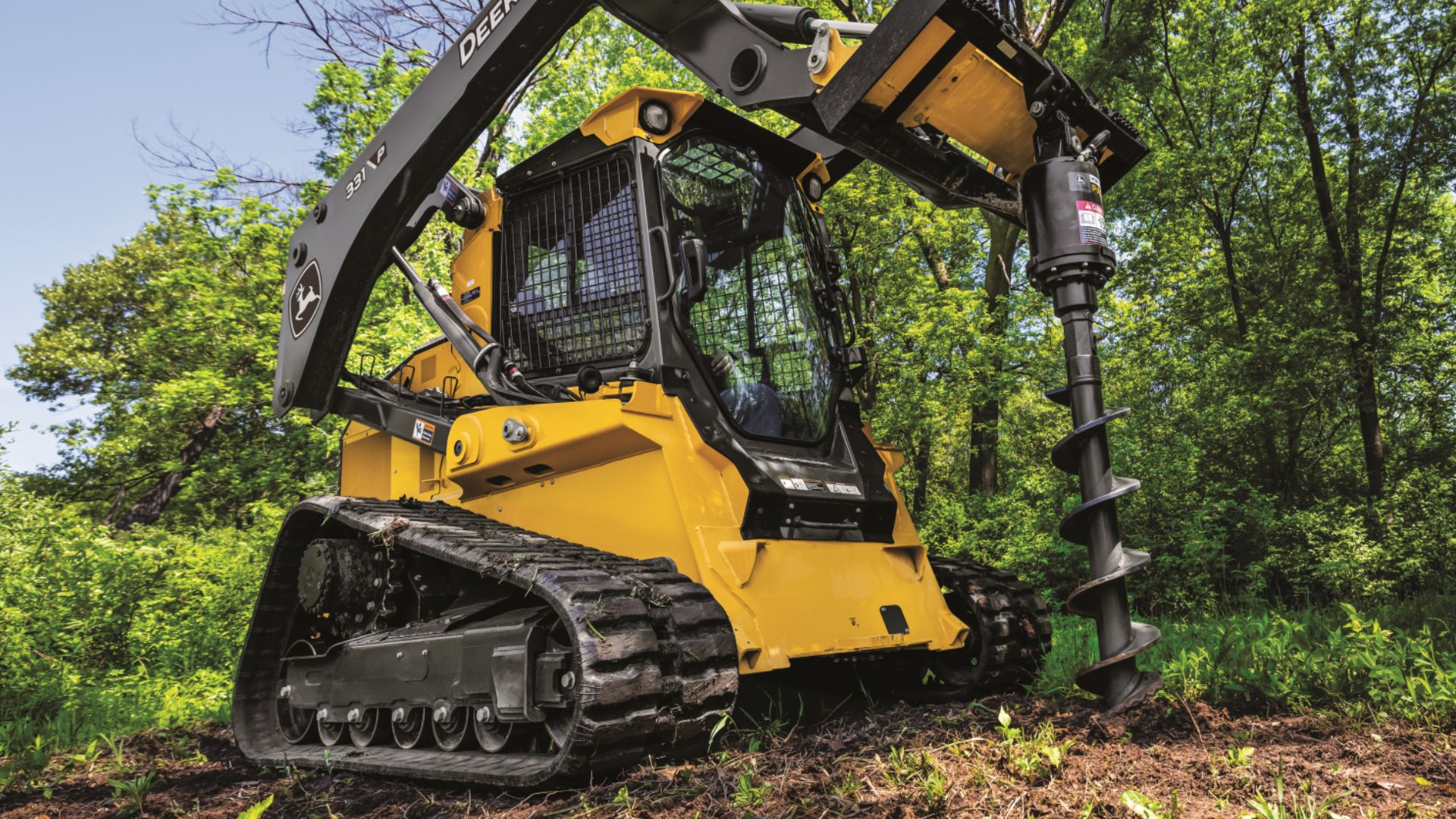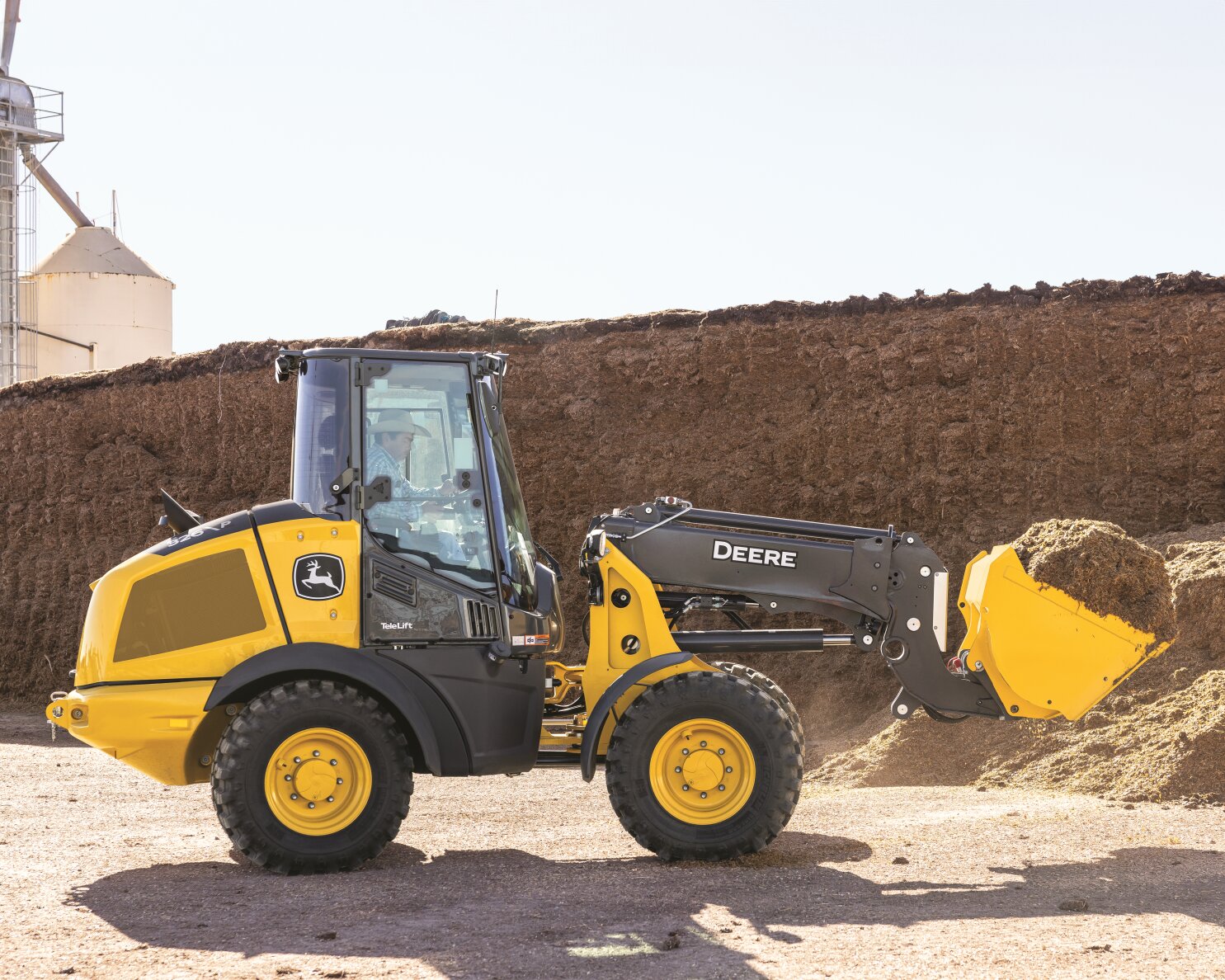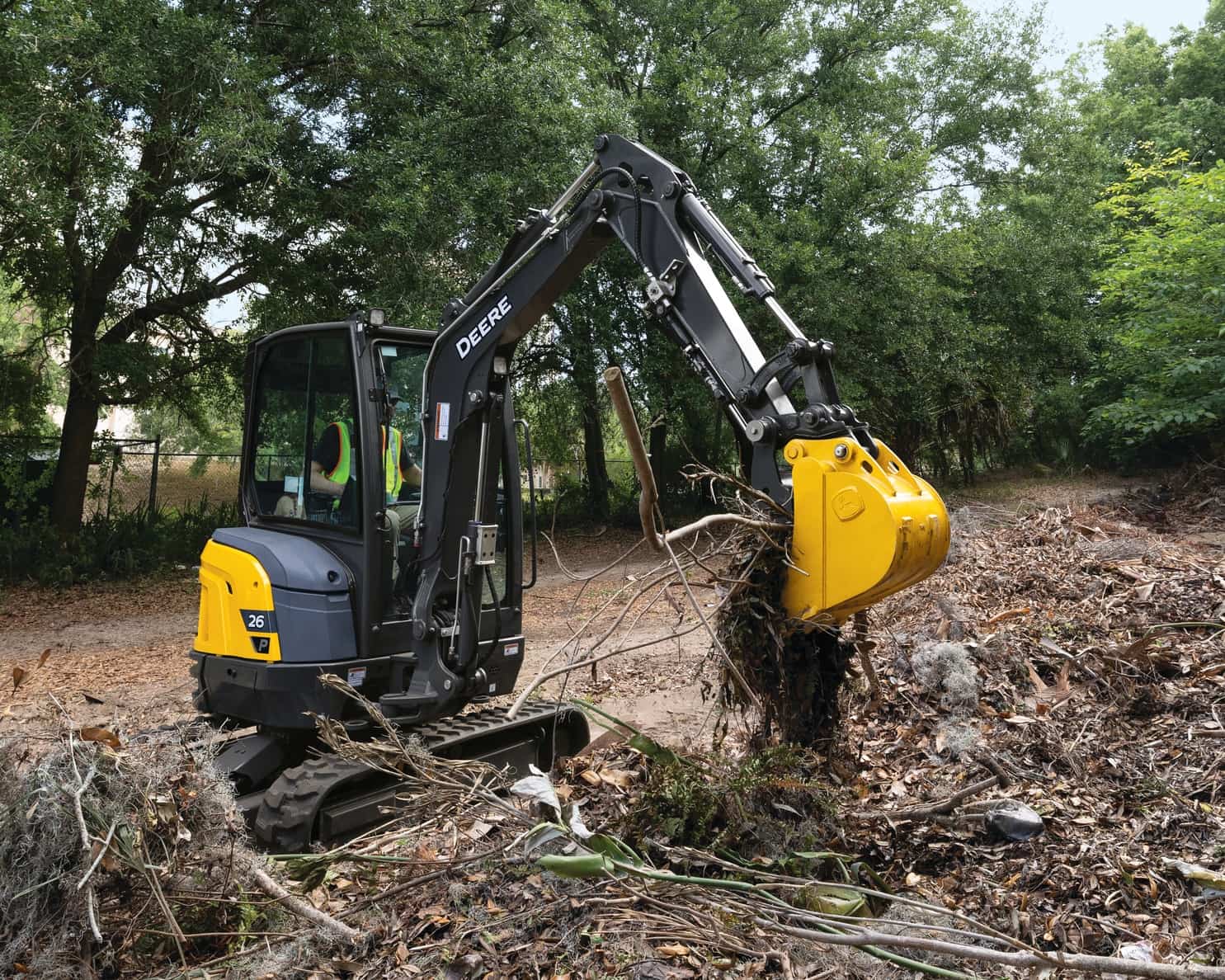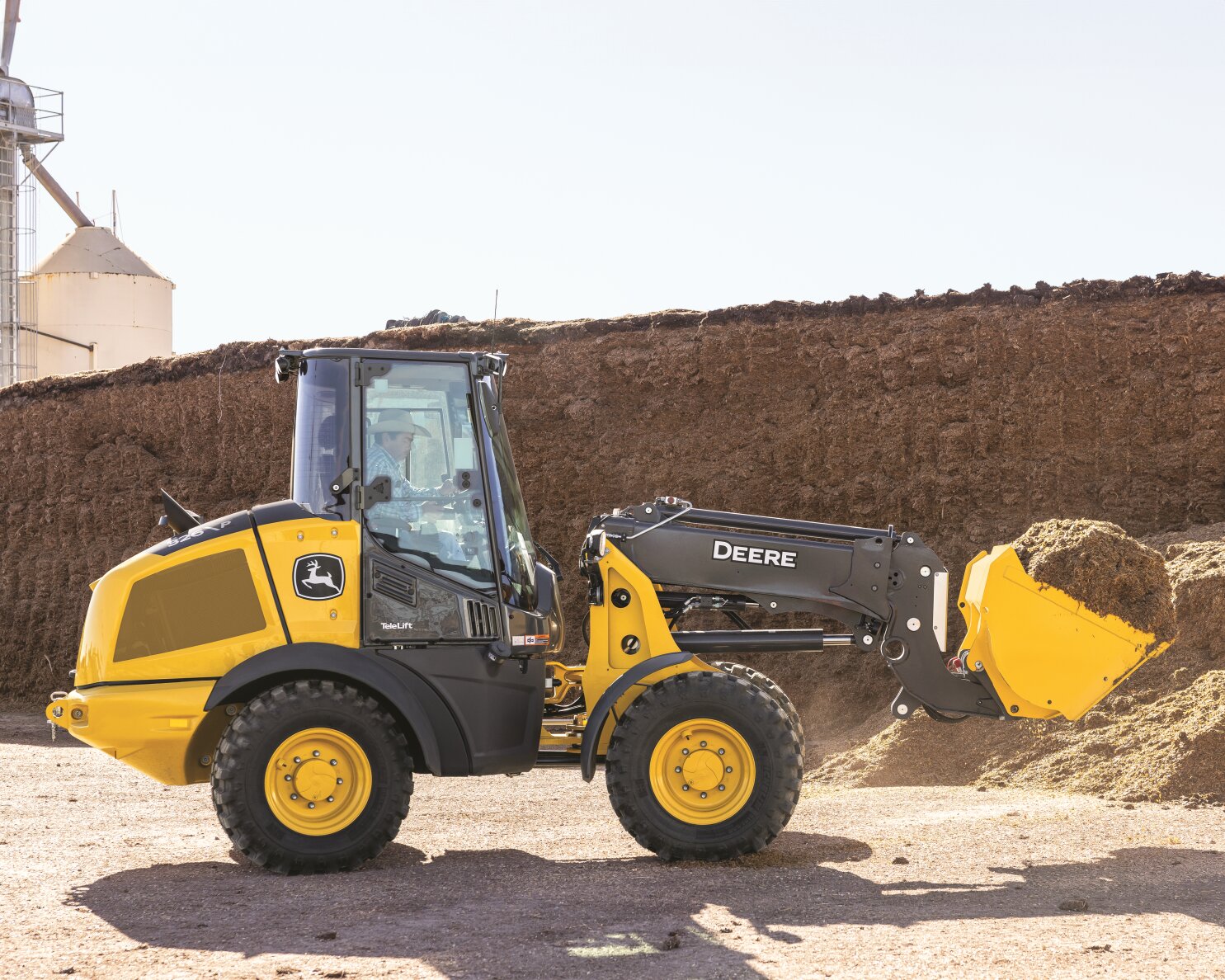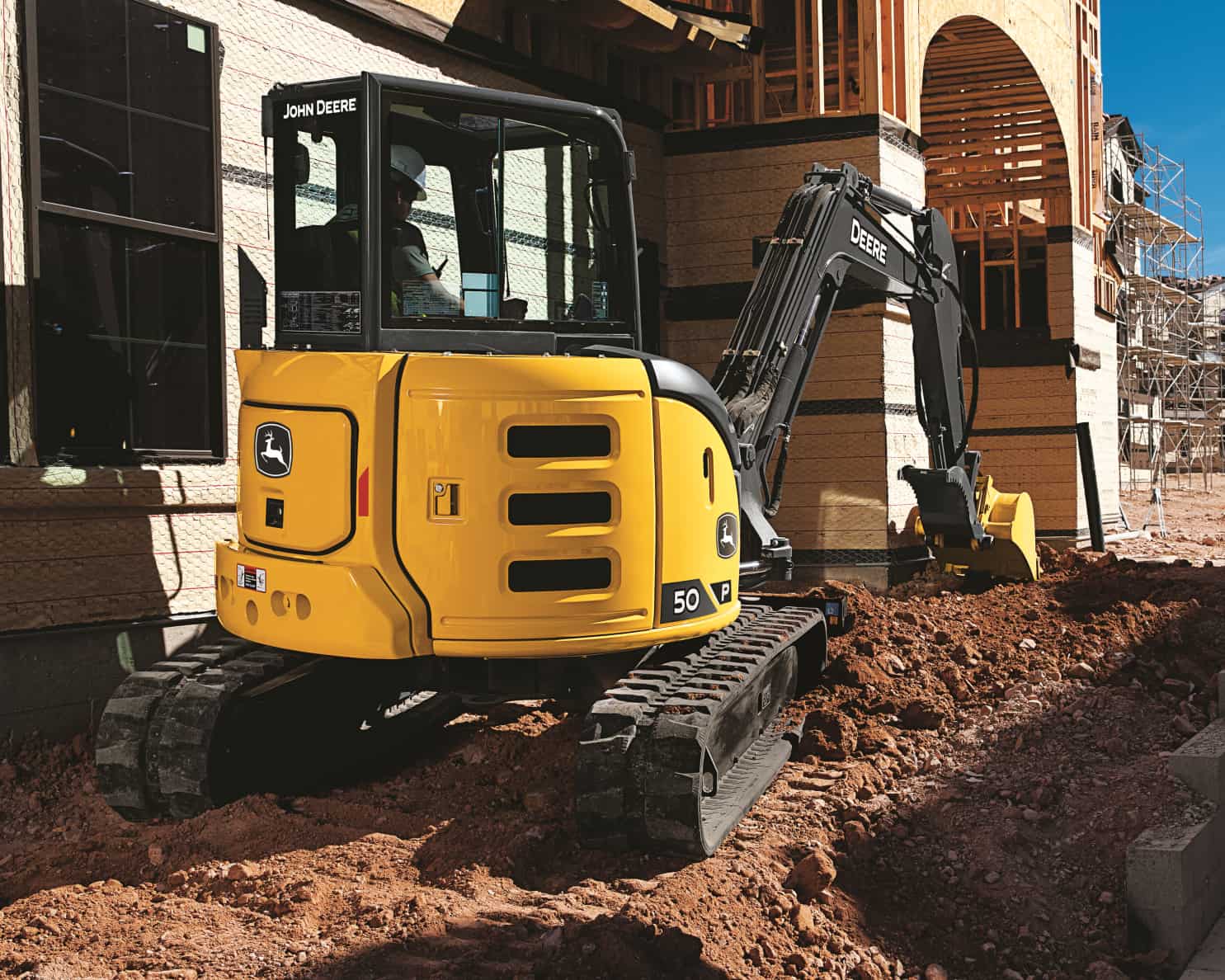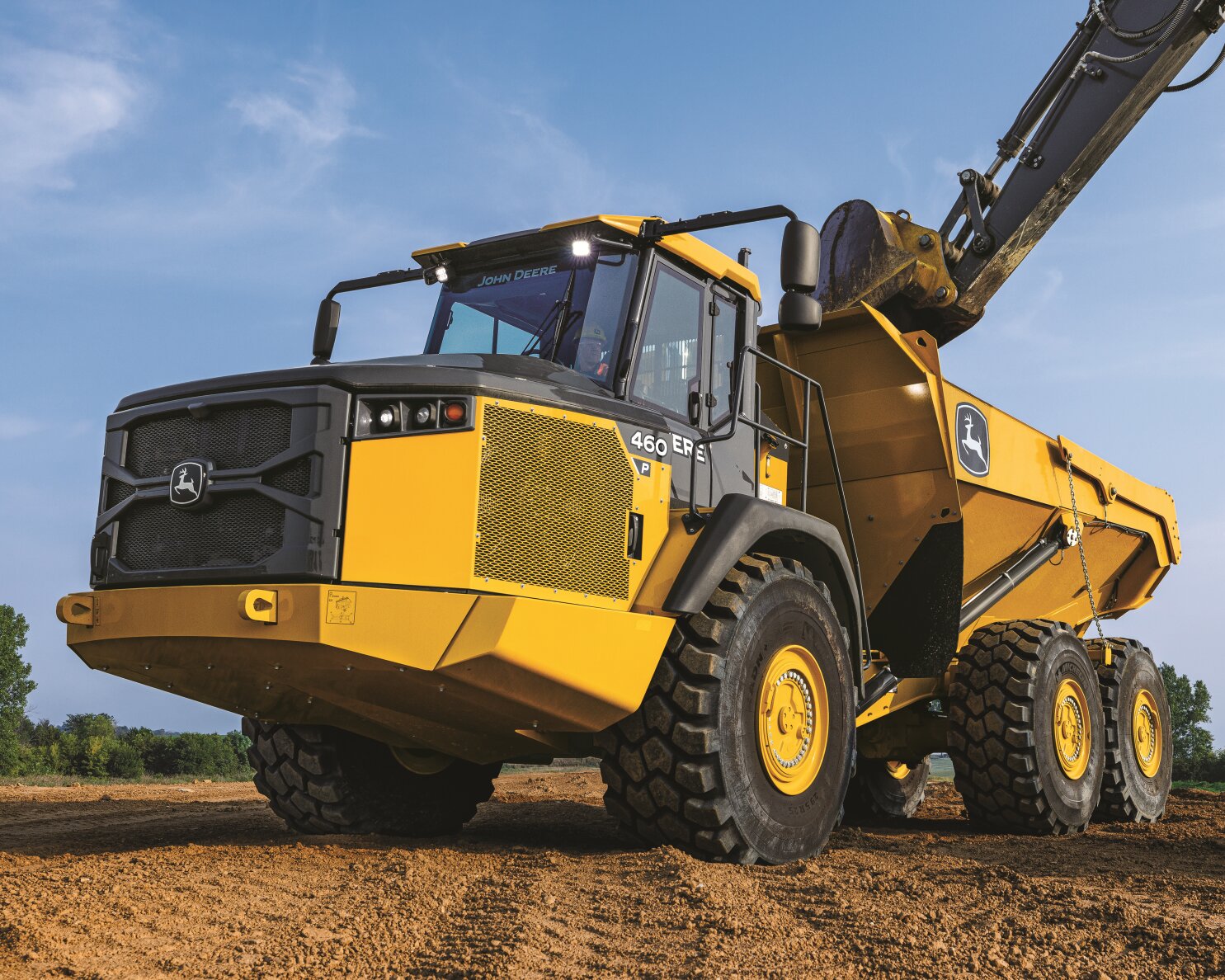

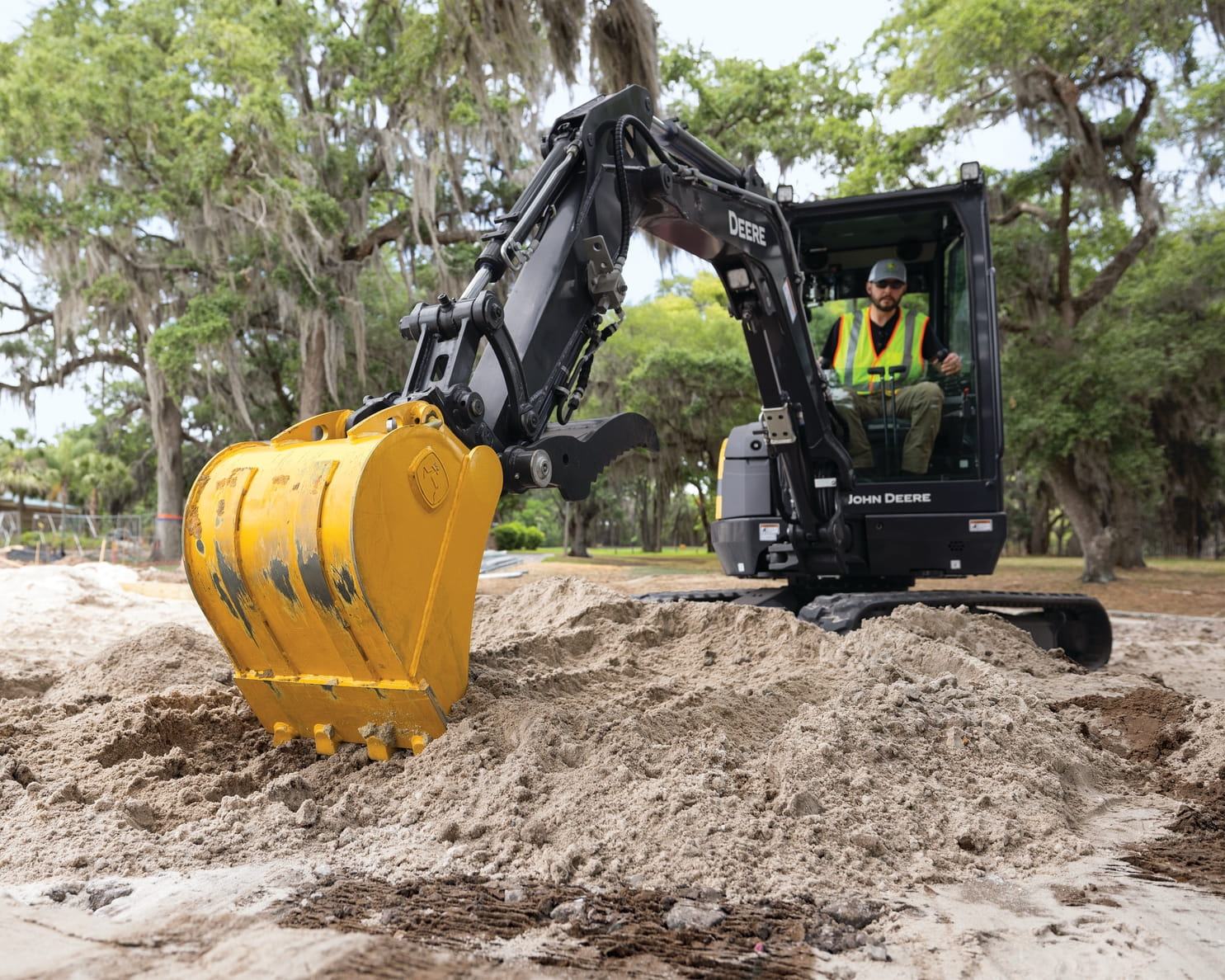
For small crews and independent contractors, the question of renting vs. owning a mini excavator isn’t new. It’s not a question of preference… it’s a math question. The right answer depends on yearly hours, financing options, and ownership costs compared against rental rates. Below, we’re offering a straightforward breakdown to help Northeast contractors think through their decision.
Find Your Nearest United Construction & Forestry
The Cost of Ownership
A new compact excavator in the three-to-six-ton range — the workhorse size for most small crew applications — carries a purchase price typically ranging from $55,000 to $90,000 depending on model, configuration, and attachments. Financed over five years at current rates, that translates to a monthly payment in the range of $1,000 to $1,700 before interest, which the machine needs to earn back whether it’s working or sitting.
Ownership costs beyond the purchase price include insurance, routine maintenance, unplanned repairs, transport, and storage. A realistic total cost of ownership for a well-maintained compact excavator over five years commonly runs 20 to 30 percent above the purchase price when maintenance and repairs are included. For a machine that’s earning its keep by working consistent hours, those costs are absorbed by production. For a machine that sits idle through the winter months and between sporadic projects, the fixed costs keep running regardless.
The Cost of Renting
Mini excavator rental rates in the Northeast typically run $350 to $600 per day or $1,200 to $2,000 per week for machines in the three-to-six-ton range, depending on your dealer, the specific model, and whether attachments are included. For short-duration or intermittent work, those rates represent good value. You’re paying only for the days the machine is productive, with little maintenance liability, no storage cost, and no monthly payments when the machine isn’t working.
The math on renting starts to shift at higher annual utilization. A crew renting a mini excavator 15 weeks per year is spending roughly $18,000 to $30,000 annually on compact excavator rental, approaching or exceeding the annual cost of ownership without building equity in the asset.
The Utilization Threshold
The right choice is ultimately decided by utilization. As a rough guide: if a mini excavator will work for fewer than 400-500 hours per year, or fewer than 12-15 weeks of active production, renting will usually deliver better value for a small crew. Above that threshold, ownership increasingly makes sense, especially when the machine can be kept productive across multiple projects through the longer Northeast construction season.
Seasonality matters here specifically for the Northeast. A contractor whose work pauses significantly between November and April faces three to five months of ownership costs against minimal production. That’s a real drag on ownership economics that warrants honest accounting before committing to a purchase.
Where Ownership Wins
Ownership makes the clearest economic sense when utilization is high and predictable, when the machine is a core tool that the crew deploys on nearly every job, and when availability is a competitive advantage. Contractors who win work partly because they can mobilize a mini excavator on short notice, without waiting on rental availability, are capturing a value that doesn’t show up directly in the utilization math.
Used equipment also changes the calculation. A well-maintained used compact excavator purchased at a meaningful discount to new reduces the monthly fixed cost burden and can make ownership viable at lower utilization thresholds. United Construction & Forestry’s used equipment inventory includes inspected, service-ready compact excavators that represent a middle path between new-machine ownership costs and indefinite renting.
Making the Call
The right answer is specific to your crew’s workload, cash position, and project pipeline. Our team across the Northeast works with small contractors on both sides of this decision regularly. We are here to help you weigh the numbers against your actual utilization, walk you through current inventory, and structure a purchase or rental arrangement that fits how your crew actually works.
Contact United Construction & Forestry
Frequently Asked Questions
Is it better to rent or buy a compact excavator for a small crew?
For most small crews in the Northeast, renting makes better economic sense when the machine will work fewer than 400 to 500 hours per year or roughly 12 to 15 weeks of active production. Below that utilization threshold, rental avoids the fixed costs of ownership (financing, insurance, maintenance, storage) that continue whether the machine is working or not. Above that threshold, ownership increasingly pencils out, particularly when availability on short notice is a competitive factor in winning work.
What size mini excavator do I need for most residential and light commercial work?
For the majority of residential and light commercial applications in the Northeast — utility trenching, footing excavation, stump removal, drainage work — a machine in the three-to-six-ton range handles most tasks effectively while fitting through standard gate openings and minimizing ground disturbance on finished properties. Sites with very tight access or work close to existing structures may call for a zero tail swing model specifically. Your local United Construction & Forestry team can help confirm the right size for your specific job conditions.