
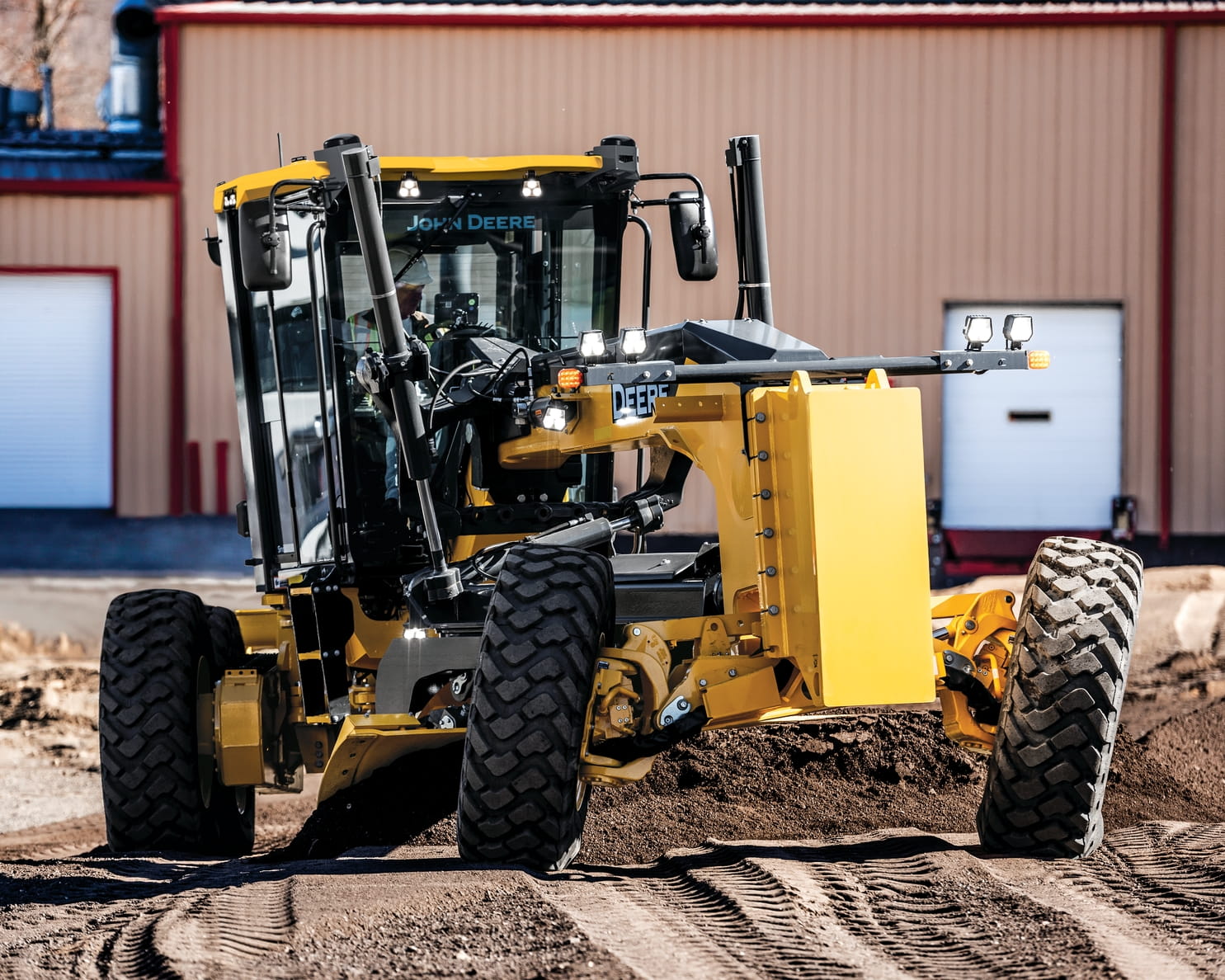
Northeast ground doesn’t just thaw—it moves. Frost heave lifts pavement, shifts subbase, and often displaces material that was stable all winter long. When the ground starts to thaw, what you thought was a finished grade in December might change dramatically by April. If you’re running grading equipment through this transition, preparation is necessary. Frost heave is a unique challenge for your machines, but with proper preparation, nothing you can’t handle.
Find Your Local United Construction & Forestry
What Frost Heave Means for Your Job Site
So, what is frost heave? This is a process that occurs when moisture in the soil freezes and expands, pushing material upward—usually unevenly. In the Northeast, freeze-thaw cycles can repeat many times through the winter. Over time, this can dramatically change a graded surface by shifting the subbase, changing drainage patterns, and softening compacted material.
For grading contractors, this makes for a few challenges. First, surfaces you finished in the fall will likely need to be re-addressed before any new work can be done. Second, these new saturated surface conditions can put extra strain on your equipment—especially undercarriage and ground-engaging components.
Ground-Engaging Components
This is the first place to focus your pre-season equipment inspection. Any equipment that makes direct contact with the ground should be seriously assessed. On motor graders, check for blade wear and cutting edge condition. Soft, muddy spring conditions can be especially hard on cutting edges. Moldboard wear, circle drive components, and scarifier teeth should be thoroughly reviewed before running in wet material.
On dozers, inspect your cutting edge and push arms. Frozen and partially thawed material makes for inconsistent resistance and different wear rates than summer work.
Undercarriage Condition and Spring Performance
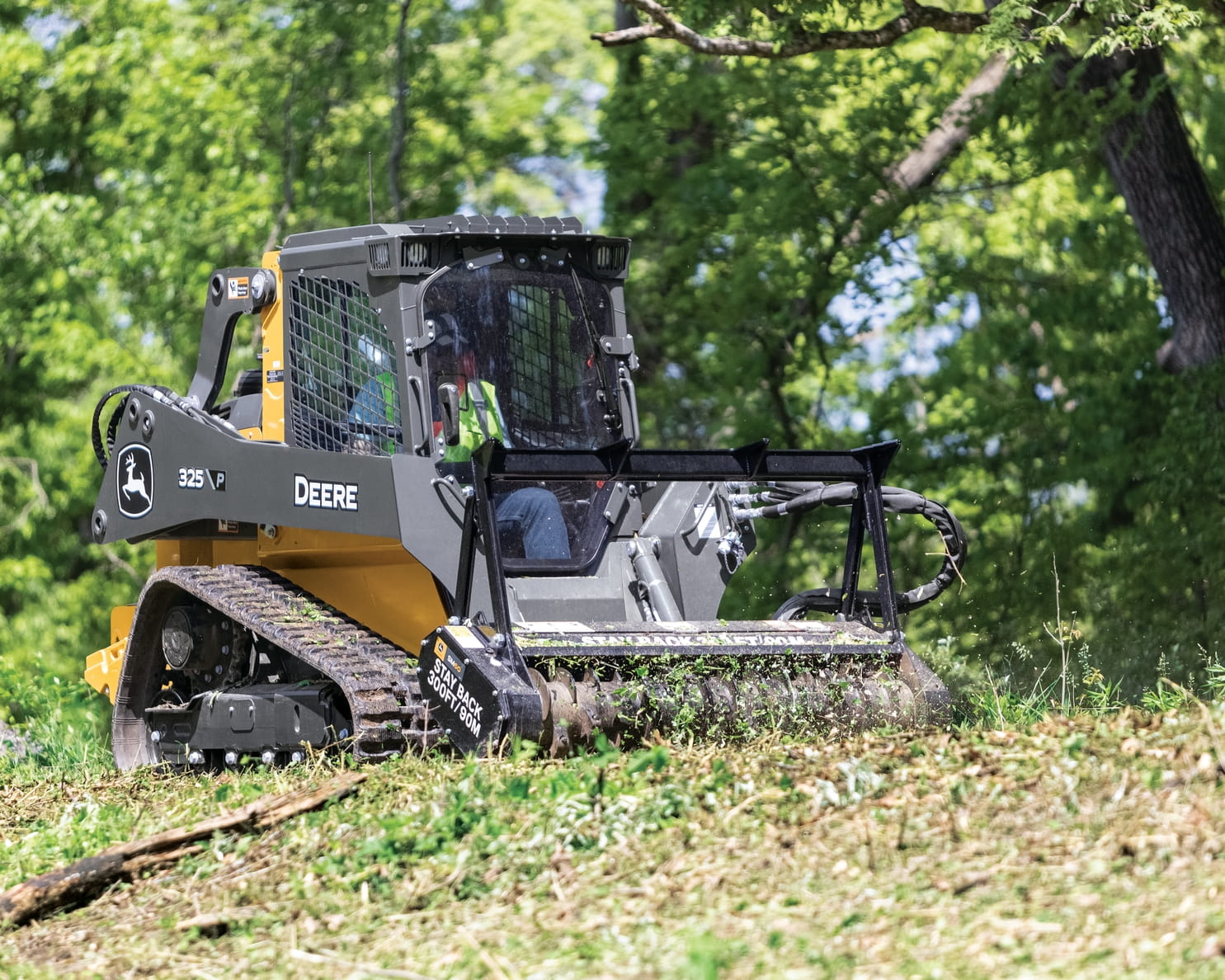
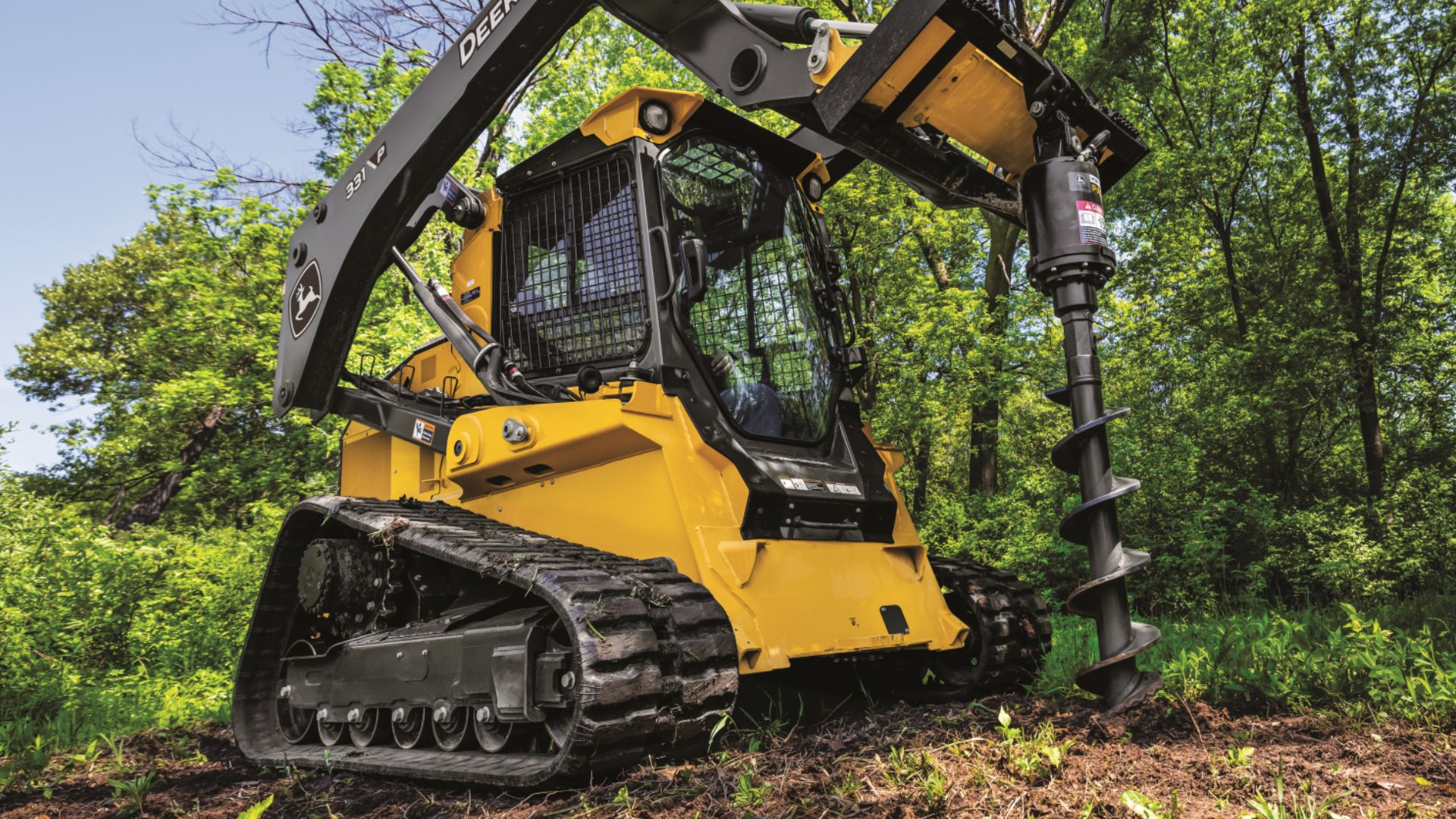
Tracked equipment like compact track loaders and crawler dozers tend to take the biggest hits during the spring thaw. Saturated ground packs into the undercarriage systems, accelerating wear on rollers, idlers, track links, and more. If you put off undercarriage inspection through the winter, now is the time to address it.
Ensure that track tension is optimal. Soft ground requires different tension settings than hard or frozen surfaces. Running with incorrect tension adds unnecessary risk of derailment. If you’re unsure of proper track tension and how to check it, contact an expert at United Construction & Forestry now.
Hydraulics and Grade Control
Spring grading work usually means re-working grades on previously frozen surfaces, which means your hydraulics and grade control systems need to be operating with full reliability. Inspect hydraulics for wear and slow response.
If your equipment runs John Deere SmartGrade or another grade control system, double-check calibration before bidding on work with tight tolerances. Sensors and receivers can shift—recalibrate now before you’re on the job site.
Learn More About Grade Control
Understand When the Ground is Ready
It’s a common and costly mistake in the Northeast to start work before the ground is really ready for it. Running heavy equipment on saturated ground can create ruts, damage compaction, and require avoidable rework. Monitor soil conditions to assess thaw progression. Starting too early on saturated ground risks ruts, compaction damage, and rework on areas you’ve already finished.
This is another area where JDLink’s real-time machine monitoring adds practical value. Track machine load and performance data to understand when equipment is working harder than expected—this may mean that ground conditions aren’t ready to support work yet.
Get Your Fleet Ready Now
The thaw window can be short in the Northeast. Pre-season inspection and service on grading equipment is the difference between a proactive and reactive season of work. United Construction & Forestry’s service teams are ready to assess your fleet, address wear as needed, and make sure your machines are ready for early-season grading work.
Contact United Construction & Forestry Now
Frequently Asked Questions
What is frost heave, and how does it affect grading equipment?
Frost heave occurs when moisture in the soil freezes and expands, pushing material upward and shifting the subbase. In the Northeast, repeated freeze-thaw cycles can dramatically change graded surfaces, requiring rework in spring.
Why is track tension important for grading during spring thaw?
Soft, saturated ground requires different track tension than hard or frozen surfaces. Running with incorrect track tension increases the risk of derailment and accelerates wear on undercarriage components.
How do you know when the ground is ready for grading equipment after thaw?
Monitor soil conditions regularly. If possible, utilize real-time machine monitoring systems like JDLink to track equipment load and performance data to determine if your equipment is working harder than expected.