

Experienced contractors understand their machines well. They know how many buckets fill a truck, what a loaded pass looks like, and trust their judgment when deciding whether a haul cycle is efficient. That approach works—until it doesn’t. An overloaded truck gets flagged at a weigh station, a job site runs short on material, or cycle times are slower than expected, and no one knows why.
Payload weighing technology solves all of these problems, and contractors running earthmoving or aggregate operations know that it makes the difference between a productive season and one spent playing catch-up.
Find Your Local United Construction & Forestry
What Is Payload Weighing?
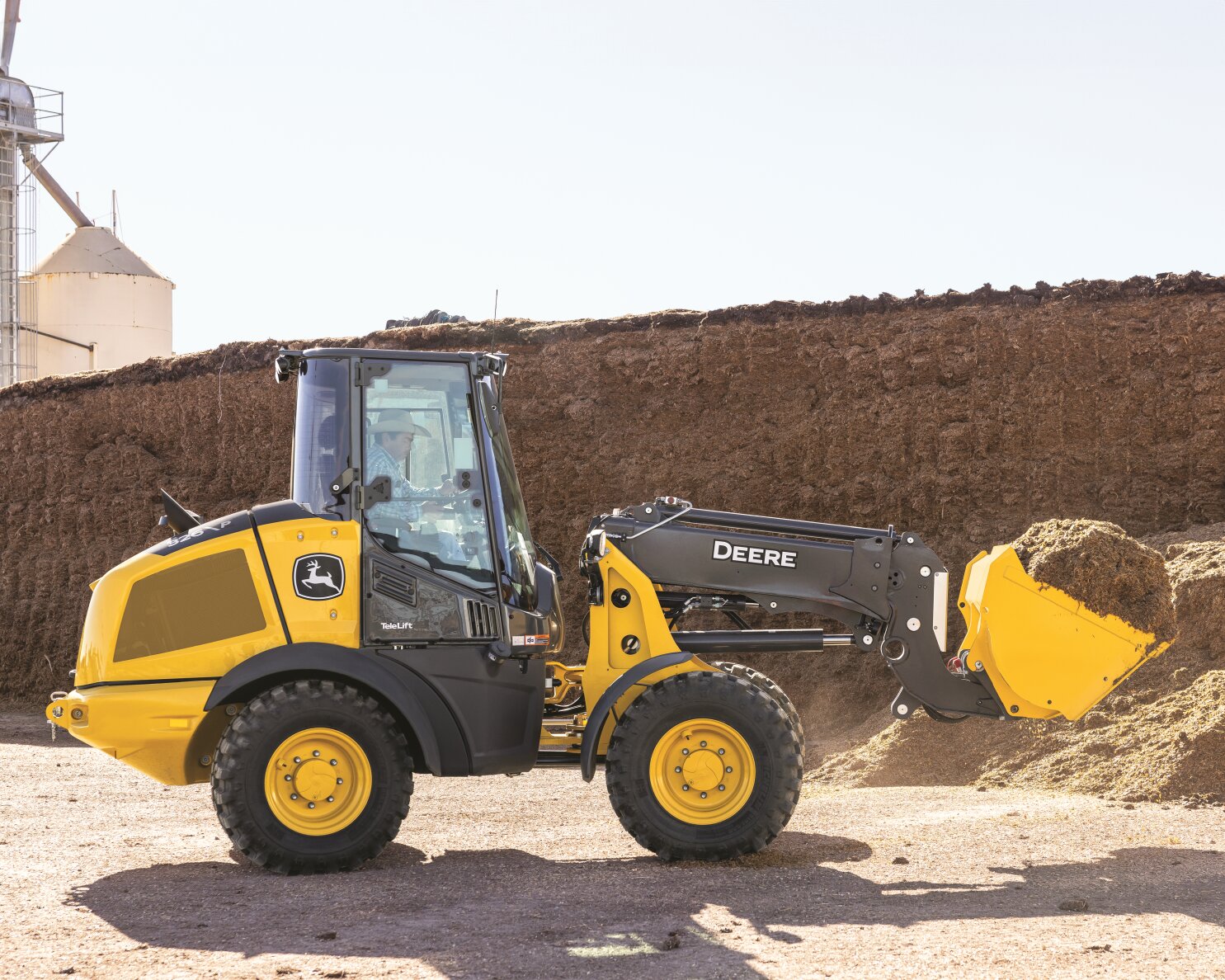
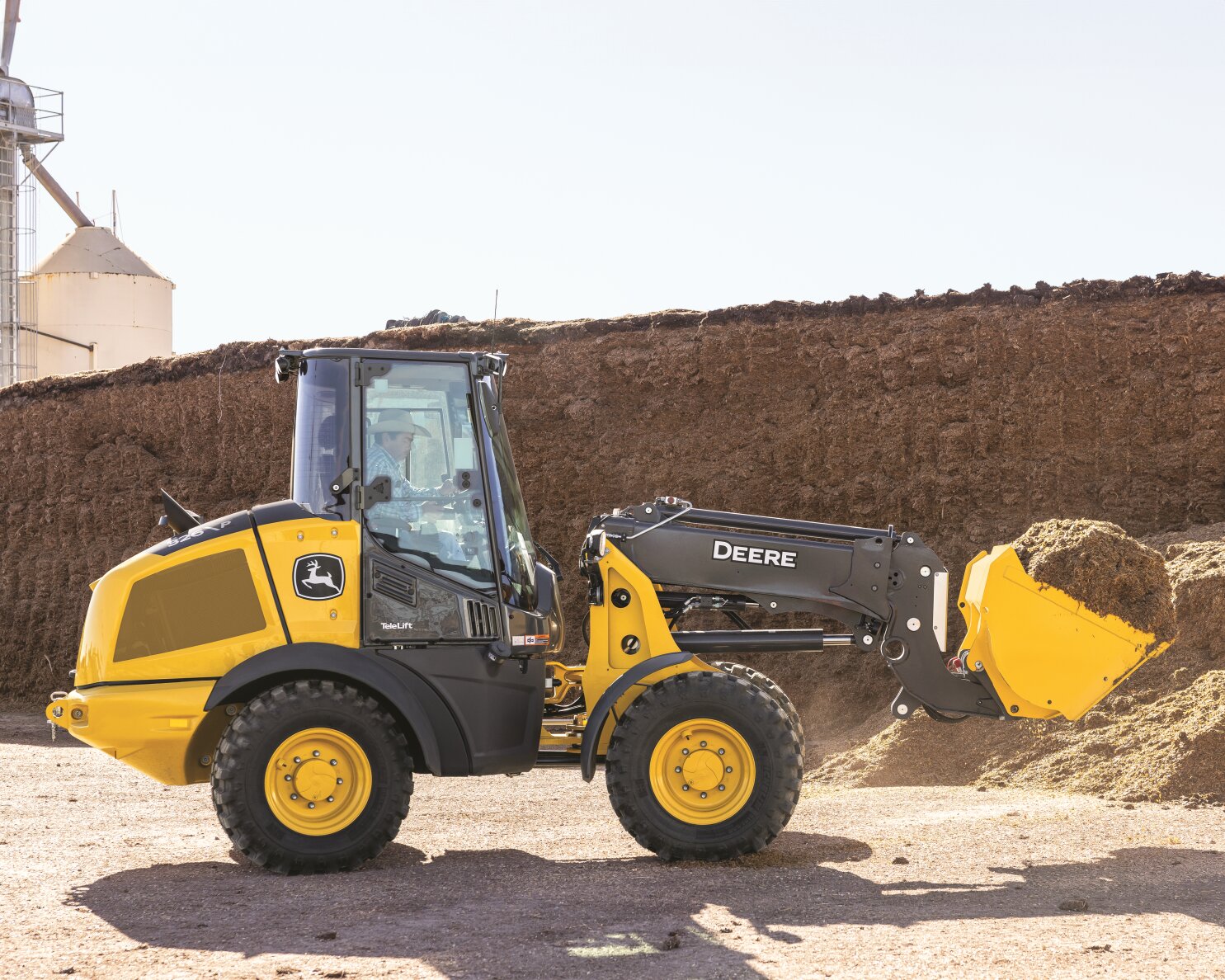
Payload weighing is an onboard system that measures the weight of material in your machine’s bucket or body in real time. No external scale needed. On wheel loaders, this is carried out by hydraulic pressure sensors and lift arm geometry. On articulated dump trucks, load cells measure the weight on the truck body directly.
But what does this really mean? It means you can avoid exceeding payload capacity and never operate your equipment outside of its maximum operating parameters. It also means you can be sure you’re not underloading your equipment. That means maximizing efficiency with no threat of overworking your equipment or potentially shortening its lifespan.
Learn More About Payload Weighing
The Real Cost of Guesswork
Understanding payload weight on every haul matters because the gap between estimated and actual payload can add up quickly at scale. Underloading means more haul cycles and slower project timelines. Overloading means capacity violations and unnecessary drivetrain and suspension wear.
In the Northeast, haul routes often run on state and municipal roads with strict, posted weight limits. This means that payload isn’t only an operational concern—it’s a legal one. Accurate payload data removes the guesswork and equips you with a record of haul compliance.
Boosting Jobsite Efficiency
The most immediate benefit of payload weighing is consistent truck loading. This reduces unnecessary overloading, minimizes potential damage, and increases the accuracy of cycle time expectations. Over the course of a full project, consistent loading means better scheduling and easier reconciliation of material quantities on the jobsite. For contractors billing on a per-ton or volumetric basis, this data is non-negotiable.
Fleet Visibility Through JDLink
When payload weighing is paired with JDLink, data becomes available at the fleet level rather than just at the operator level. Project managers can review production reports per machine, shift, day, and so on to identify any inefficiencies before they become an issue.
Fleet-level production visibility is a certain way to improve management. No more decisions based on intuition, only data. This supports better project planning and bidding in the future and offers a clear picture of potential gains in productivity.
Does Your Operation Require Payload Weighing?
Payload weighing is designed to deliver value on jobs where material volume and haul compliance are essential: aggregate production, earthmoving, demolition cleanup, and more. If your operation features a fleet of wheel loaders or articulated dump trucks (ADTs), payload accuracy is a necessity for calculating ROI and other working efficiencies.
United Construction & Forestry’s team works with contractors across the Northeast to evaluate, configure, and support all equipment needs, on and off the jobsite. If you’re considering adding payload weighing capabilities to your fleet this season, or want to understand how it fits with your JDLink setup, reach out to your local dealer.