

Winter storage means your equipment gets a break from the elements, but that doesn’t mean it comes out of storage ready to work. Over the off-season, seals can dry out, batteries can begin to fail, and fluids can oxidize. Often, your equipment tells a different story after several months of storage than it did when it went in. For fleet managers and contractors in the Northeast, a thorough spring inspection is the best way to start the season off and avoid unnecessary downtime.
Find Your Local United Construction & Forestry
Check Fluids First
Every machine needs a full fluid inspection before getting to work—that means before you even start it! Check your engine oil for moisture and other contaminants. A milky or grayish appearance indicates it’s time to change your oil and oil filter. Inspect coolant concentration and ensure your antifreeze ratio is appropriate for the season. Now, check that hydraulic fluid levels show no signs of water intrusion.
Diesel fuel is susceptible to microbial growth or waxing in the tank. Drain and inspect fuel filters. If necessary, replace before start-up.
Battery and Electrical Systems
Cold weather is especially hard on batteries. If your equipment sat idle through the winter, there’s a good chance it won’t start up in spring. Load-test every battery in your fleet before you assume they’re ready for a season of hard work. Clean terminals, check connections throughout the electrical system, and review all wiring for rodent damage.
Check all lighting systems, backup alarms, and cab electronics. A minor electrical issue in the garage can become a real safety concern in the field.
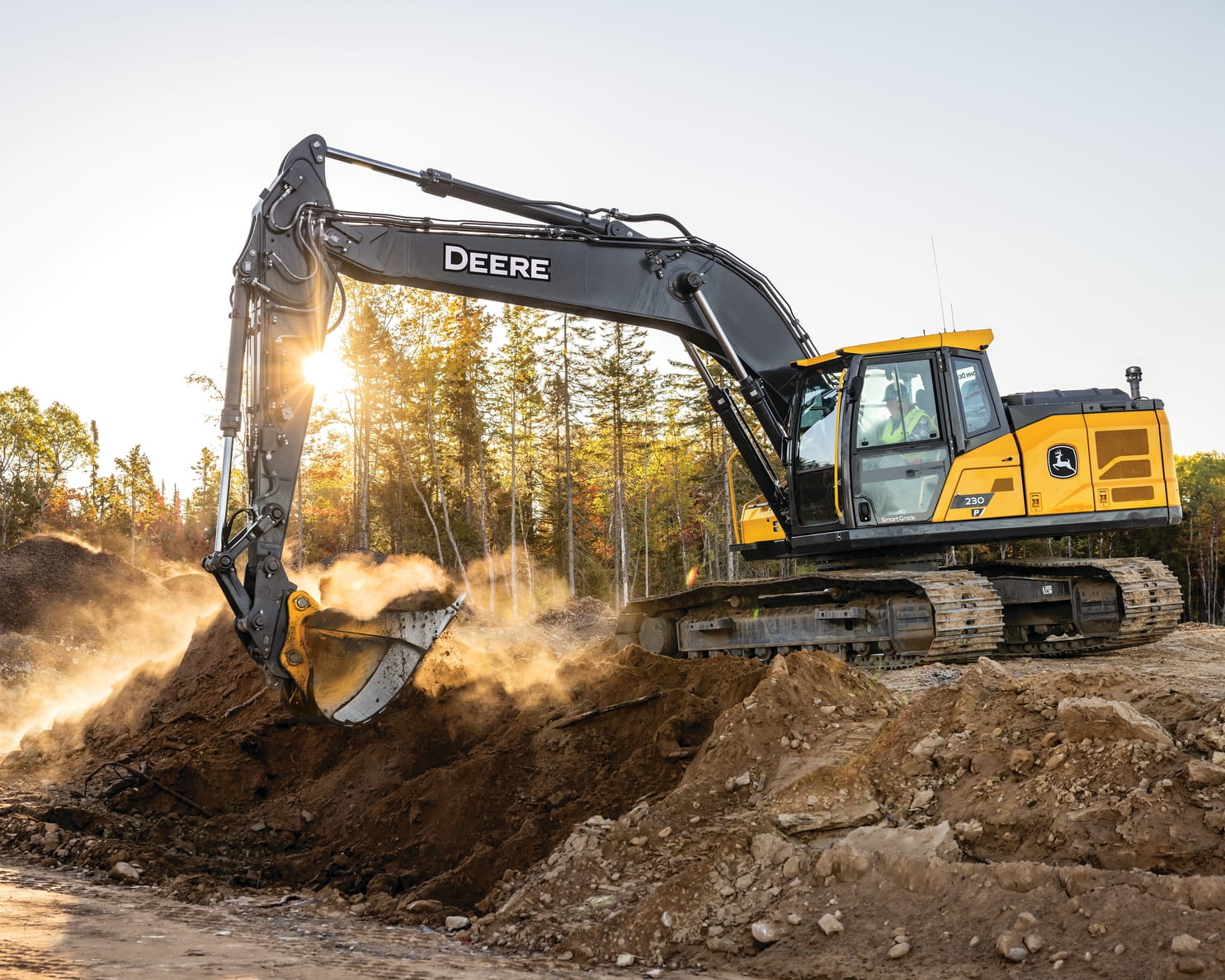
Excavators and Dozers: Undercarriage Care
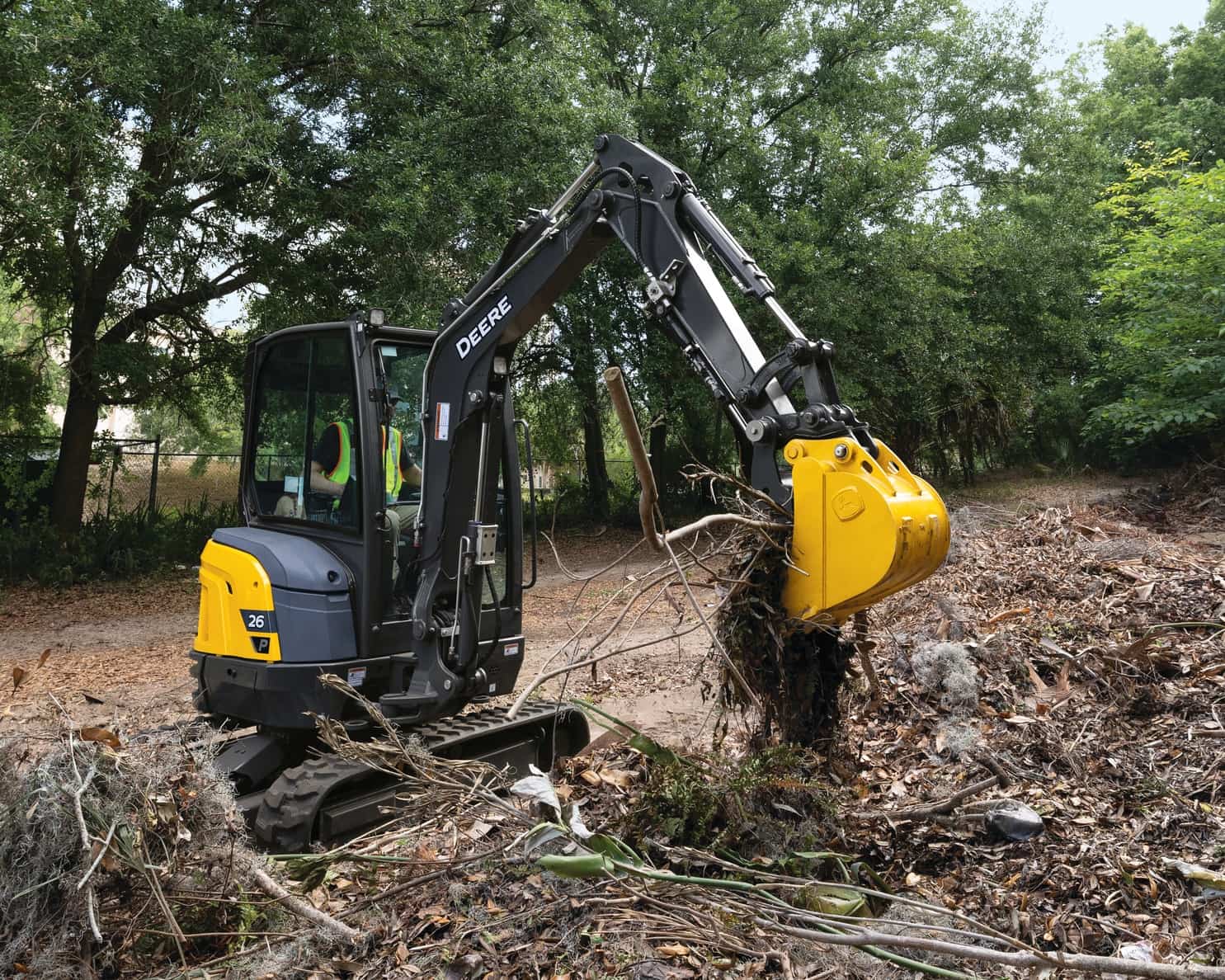
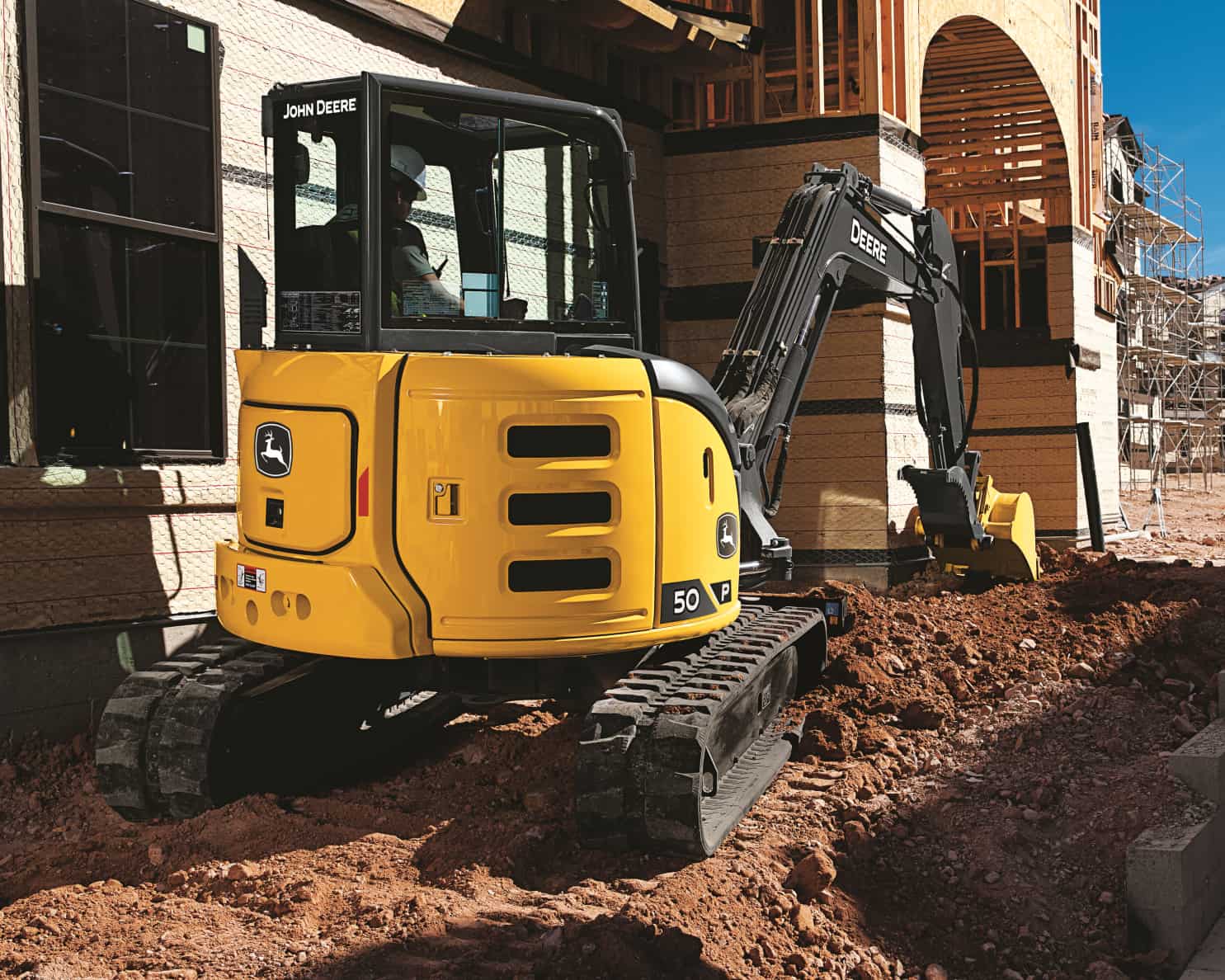
Track-based equipment requires special undercarriage attention after storage. Check track tension and adjust to recommended levels. Check rollers, idlers, and sprockets for seal leaks, flat spots, and other signs of wear. Inspect all track links and pins. Address anything borderline now—you don’t want to be caught in the middle of the season with a preventable breakdown.
Hydraulic Systems
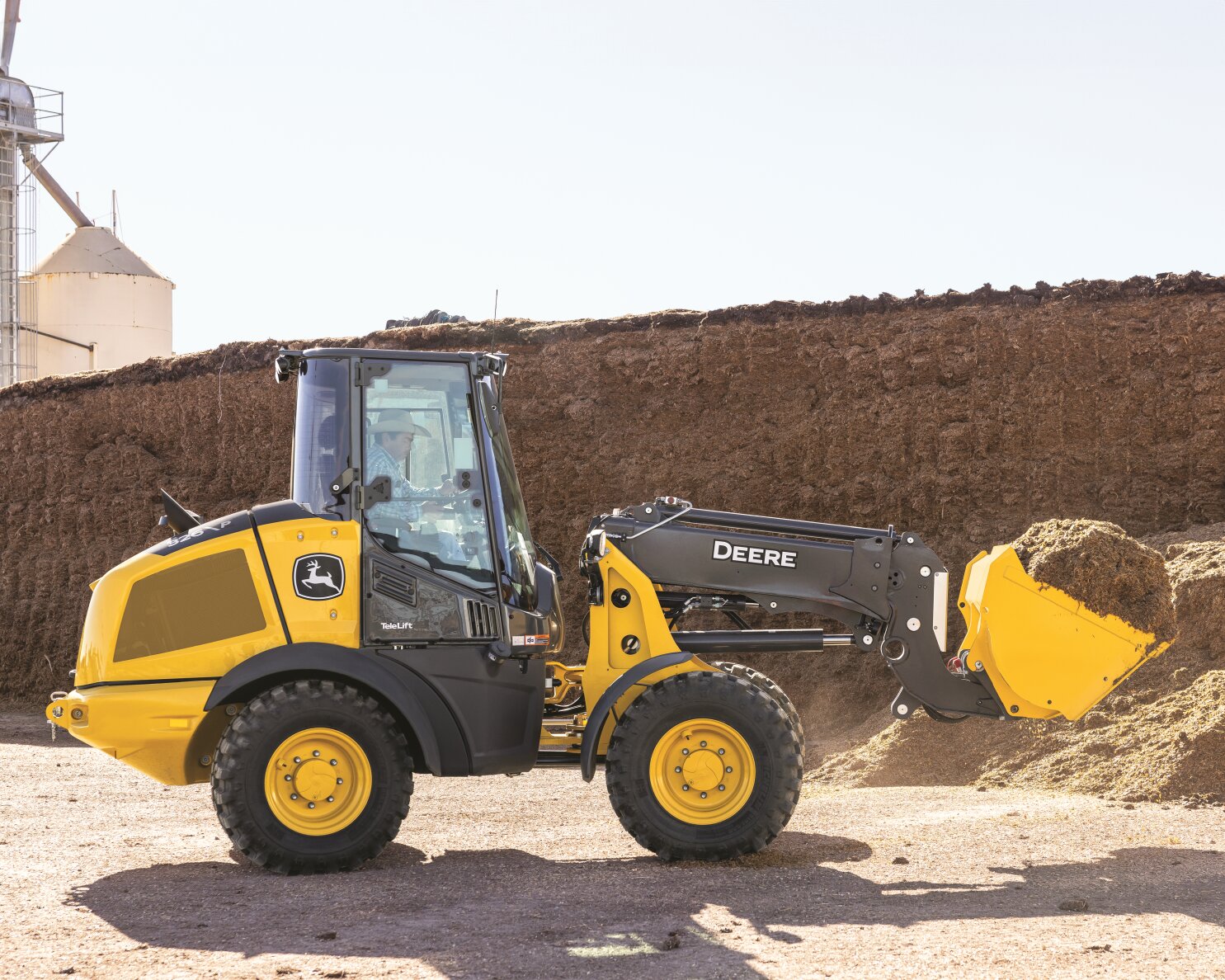
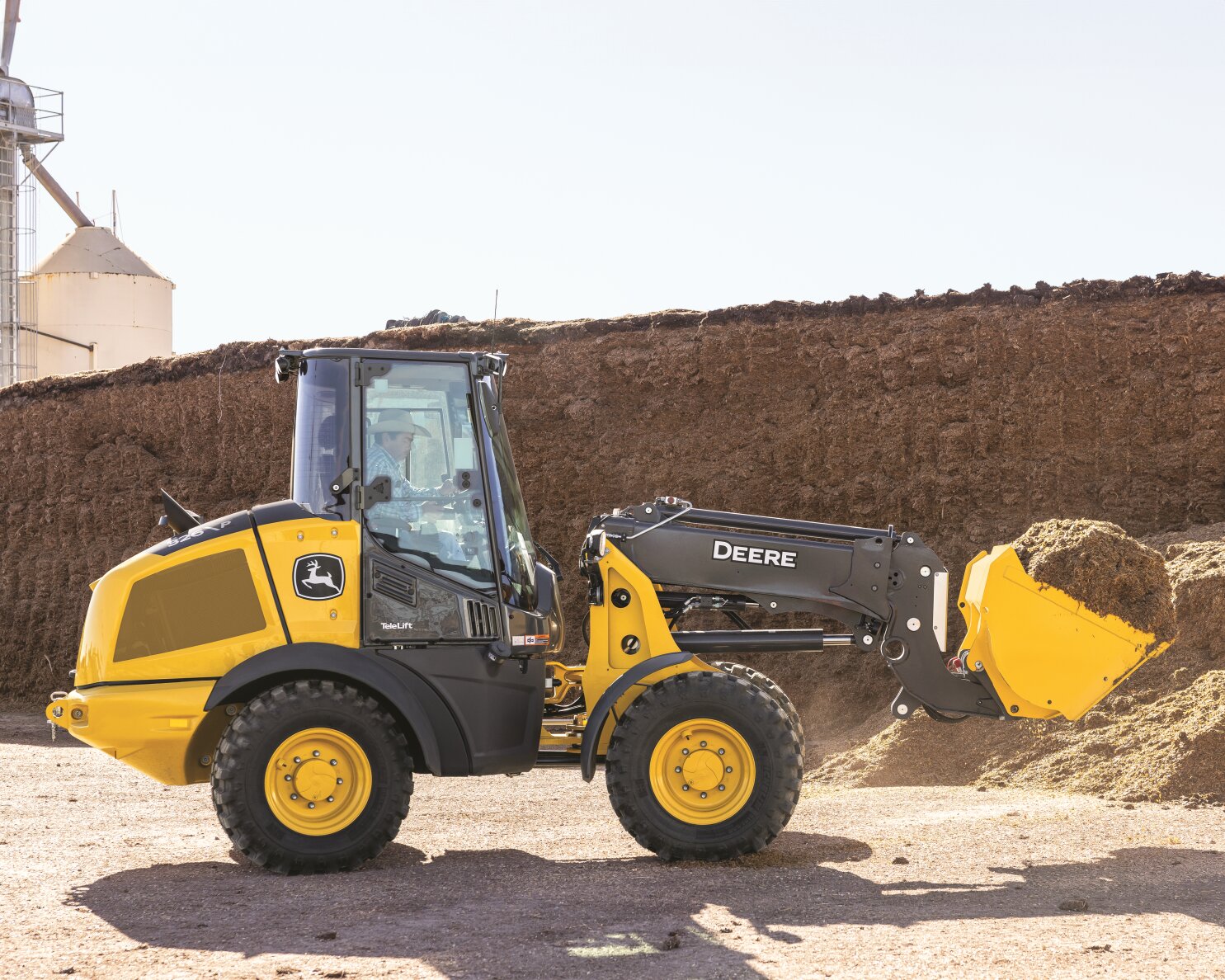
Winter temperatures accelerate hydraulic seal wear, especially on machines that sit idle all off-season. On excavators, inspect all cylinder rods for scoring and check for signs of leaks around seals. On wheel loaders, check tilt and lift cylinder conditions, and check the steering system for sluggish response times that may indicate low fluids or worn components.
Motor graders require particular attention at the circle drive and moldboard hydraulics, where contamination and seal wear are most likely to turn up. Dozers should be checked at the blade and ripper cylinders and the final drives for oil level and leaks.
Ground-Engaging Tools and High-Wear Components
Cutting edges, bucket teeth, and blade edges should be inspected for signs of wear or damage. If your components gave you any trouble at the end of last season, they’re almost certainly unworkable for spring projects. Replace worn items early rather than waiting until you’re on the job site with a last-second service need.
On motor graders, inspect the moldboard surface and full cutting edge. Uneven wear patterns can indicate larger problems like circle drive issues.
Cab and Safety Systems
Check that your cab is operating as desired—look for cracks in glass and other visibility issues, HVAC operation, seat belts, mirrors, and cameras, if applicable. Check that fire suppression systems are in working order.
If your machine is equipped with JDLink, check that your telematics are transmitting correctly before you begin your working season.
Learn More About John Deere Precision Technology
Schedule a Professional Inspection
A complete fleet inspection before the season begins is standard practice for contractors in the Northeast who want to hit the ground running this year. United Construction & Forestry’s service teams are ready for full pre-season inspections across your whole fleet of machinery. Don’t wait until your machine fails on the job to learn what your maintenance needs are. Give us a call!